
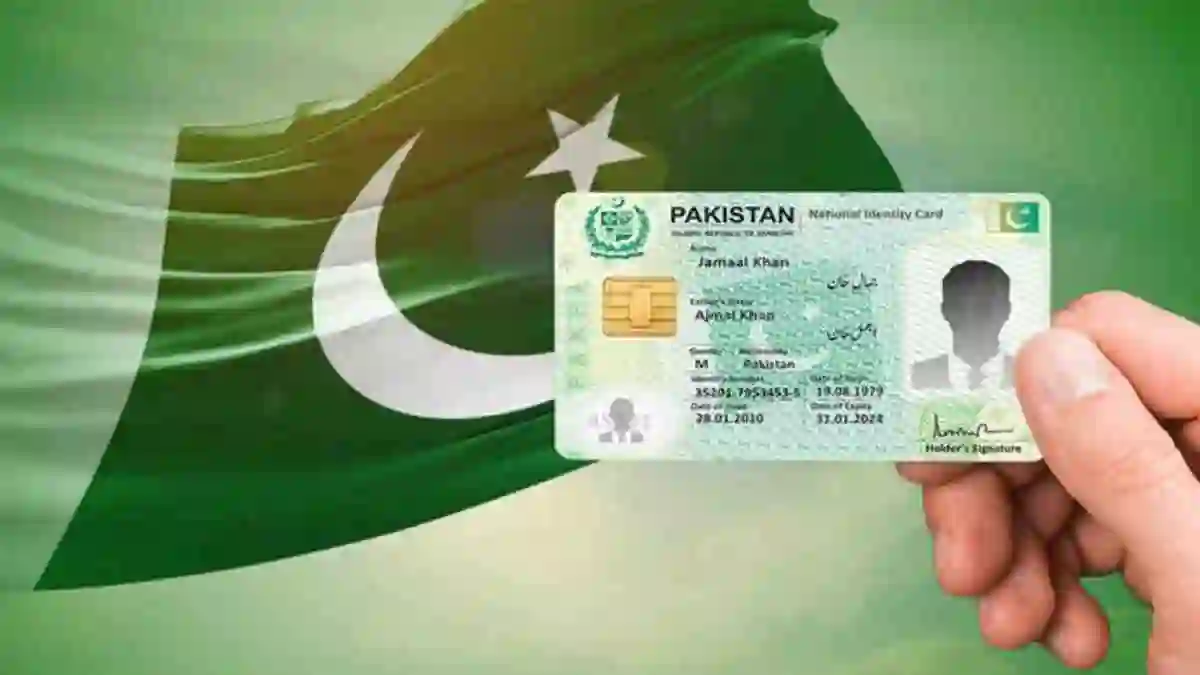
Nine million Pakistanis live outside Pakistan. Most of them have one document that sits at the centre of every interaction they have with the country they left — the National Identity Card for Overseas Pakistanis.
It is called a NICOP. And most people who hold one do not fully understand what it does.
They know it gets them into Pakistan without a visa. Some know it lets them open a bank account. Fewer know it gives them the right to vote, to inherit property without a physical court appearance, to register a SIM card, to run a business, and to access NADRA’s full range of services from anywhere in the world.
This guide covers everything: what NICOP is, who qualifies, how to apply online step by step, exactly what it costs in your country, processing times, renewal, and the complete list of rights it gives you — including the ones that are not on any official pamphlet.
What Is NICOP and Who Is It For?
The National Identity Card for Overseas Pakistanis is an official identification document issued by NADRA for Pakistani citizens residing outside Pakistan. It allows overseas Pakistanis to maintain their legal identity, enjoy constitutional rights, and travel to Pakistan without a visa — even when holding a foreign passport. NICOP is especially valuable for dual nationals and long-term overseas residents who want uninterrupted access to banking, property ownership, passport services, and government facilities in Pakistan.
NICOP is issued to Pakistani citizens who are living abroad, whether temporarily or permanently, as well as intending emigrants.
Legally, a NICOP holder is still a Pakistani citizen under the Pakistan Citizenship Act, 1951 and has all the entitlements of a citizen.
NICOP vs CNIC vs POC — What Is the Difference?
Three cards exist for three different situations:
CNIC is for Pakistani citizens residing inside Pakistan. If you live in Pakistan, this is your card.
NICOP is for Pakistani citizens who live abroad — whether temporarily, permanently, or as dual nationals. The key difference is residence abroad. Like Pakistani citizens, NICOP holders can enter Pakistan without a visa, own property in Pakistan, open bank accounts, and register as voters.
POC (Pakistan Origin Card) is for foreign nationals of Pakistani origin — people who have surrendered Pakistani citizenship but maintain Pakistani heritage. POC holders get many of the same benefits as NICOP holders but are not Pakistani citizens.
NICOP is issued to citizens of Pakistan who are residing abroad and are nationals of a country that has a dual nationality arrangement with Pakistan. Even for those who have surrendered Pakistani nationality, a Pakistan Origin Card is an alternative, but for dual nationals, the NICOP is the standard.
Pakistan has dual nationality arrangements with 32 countries — including the UK, USA, Canada, Australia, France, Germany, Italy, UAE, Saudi Arabia, Bahrain, Kuwait, Oman and others.
What NICOP Actually Gives You — The Complete Rights List
This is the section most Pakistanis skip. Here is every right your NICOP legally entitles you to:
1. Visa-Free Entry to Pakistan
NICOP allows overseas Pakistanis to travel to Pakistan without a visa — even when holding a foreign passport. There is no separate visa application, no consulate appointment, no fee. You present your NICOP at immigration and enter as a citizen.
2. Property Purchase, Sale and Registration
Overseas Pakistanis with NICOP have the same ownership rights as local citizens. They can legally purchase residential, commercial and most other property in Pakistan without restrictions.
Overseas Pakistanis holding a NICOP can buy and sell most residential and commercial properties in Pakistan. Some provinces restrict agricultural land ownership, so always verify local rules.
Property registration requires your NICOP as the primary identity document. All payments must be routed through official banking channels — a NICOP-linked Pakistani bank account is the recommended instrument for compliance.
3. Inheritance and Property Claim
For overseas Pakistanis, transferring or claiming inherited property can be done with a Power of Attorney and legal support without requiring physical presence. A passport, NICOP, death certificate and embassy-attested Power of Attorney are the key documents required.
The NICOP is the identity anchor for the entire inheritance process — without it, property cannot be legally transferred to an overseas heir.
4. Bank Account Opening
NICOP grants access to banking in Pakistan, including opening accounts and for some overseas transactions. Banks in Pakistan accept NICOP as the primary KYC document for overseas Pakistani customers. The Roshan Digital Account — Pakistan’s flagship overseas investment product — specifically requires a valid NICOP or CNIC for account opening.
5. Voting Rights
NICOP holders can register as voters. As per law, Pakistanis residing abroad or foreign citizens of Pakistani origin having a valid NICOP are eligible to vote in elections. Overseas voting is conducted through the I-Voting portal and requires a valid, unexpired NICOP linked to voter registration. If your NICOP has expired, you cannot vote from abroad — a practical reason many overseas Pakistanis now prioritise renewal before election years.
6. Passport Application and Renewal
A valid NICOP or CNIC is required to apply for a Pakistani machine-readable passport. Overseas Pakistanis renewing or applying for a new passport must submit their NICOP details through the DGIP portal or relevant consulate.
7. SIM Card Registration in Pakistan
Pakistani mobile operators require a valid CNIC or NICOP for SIM registration. Without a valid NICOP, overseas Pakistanis visiting Pakistan cannot register a local SIM or use a number linked to their identity.
8. Business Registration
NICOP holders are eligible to operate a business in Pakistan. Company registration with the SECP, trade licence applications and tax registration all accept NICOP as the primary identity document for overseas Pakistani business owners.
9. Children Born Abroad
NICOP holders are eligible to apply for NICOP for their foreign-born children, ensuring that the motherland remains tightly integrated. Children will have all rights as Pakistan-born citizens — visa-free entry, indefinite stay, eligibility to work, open accounts, buy and sell property, and operate a business.
10. Spouse POC Eligibility
NICOP holders having foreign spouses — married to foreign women — are eligible to apply for a Pakistan Origin Card for their spouse. POC allows holders visa-free entry to Pakistan, swift entry and exit, indefinite stay, eligibility to work, open an account, sell and purchase properties, and register a mobile SIM.
11. Access to All NADRA Services
A valid NICOP is required to access NADRA’s full suite of services — including applying for Family Registration Certificates, succession certificates, and data modification. NADRA’s PakID app and online portal accept NICOP credentials for service requests from anywhere in the world.
Read more: Pakistan Passport 2026: Visa-Free Countries, Renewal Process, and How It Compares to a Decade Ago
The 2026 Fee Structure — By Country and Processing Speed
NADRA divides countries into two zones for fee calculation. Here is the complete breakdown:
Zone A — Western Countries
Zone A includes the USA, UK, Canada, Australia, New Zealand, and most European countries.
For Zone A countries, a standard application costs $39, urgent processing $57, and executive service $75.
| Service Type | Fee (USD) |
|---|---|
| Normal | $39 |
| Urgent | $57 |
| Executive | $75 |
Zone B — Gulf and Other Countries
Zone B includes Saudi Arabia, UAE, Qatar, Kuwait, Oman, Bahrain, and most other countries not in Zone A.
For Zone B countries, the charges are $20 for normal, $30 for urgent, and $40 for executive. TASS
| Service Type | Fee (USD) |
|---|---|
| Normal | $20 |
| Urgent | $30 |
| Executive | $40 |
UAE — Local Currency (AED)
For UAE residents applying in person at Pakistani missions, fees are collected in Dirhams: AED 75 normal, AED 110 urgent, AED 150 executive.
Saudi Arabia — Local Currency (SAR)
Saudi Arabia-based applicants pay in Riyals at the relevant Pakistani consulate. Fees generally correspond to the Zone B USD structure converted at the prevailing exchange rate, with SAR denominations varying slightly by mission. Always confirm the current SAR amount directly with the relevant consulate before visiting.
Applying From Inside Pakistan
For applicants currently visiting or residing in Pakistan, the NICOP fee structure in Pakistani Rupees is approximately Rs 5,563 for normal, Rs 8,344 for urgent, and Rs 11,126 for executive processing.
Additional Fees to Know
NADRA has also specified fees for resolving duplicate or multiple records and for age corrections in NICOP. Age modifications range from $5 USD for differences up to one year to $125 USD for second-time modifications.
Some embassies may charge an additional $10–$20 equivalent as a consular service fee when applying in person. Online application avoids most of these service charges.
Processing Times: How Long Will It Take?
Three processing categories determine your delivery timeline:
Normal: Cards are printed in Pakistan and couriered internationally via DHL or FedEx. Normal applications typically take 3 to 4 weeks from approval of the application.
Urgent: Typically 10 to 15 working days from application approval. Recommended when you have an upcoming trip to Pakistan within a month.
Executive: Executive applications typically arrive within 7 to 10 days. This is the fastest option and is advisable when you have a confirmed travel date within two weeks.
All three categories result in home delivery to your overseas registered address. If you are applying from inside Pakistan, collection is from the relevant NADRA registration centre or a centre of your choosing.
How to Apply Online — Step by Step
NADRA’s Pak Identity portal and PakID mobile app handle the entire application process online. You do not need to visit a consulate for most applications.
Step 1 — Create Your Account Visit the official Pak Identity website at pakidentity.nadra.gov.pk and register for an account using your email and mobile number.
Step 2 — Choose Your Application Category Select “New NICOP” if you are applying for the first time or “Renewal” if renewing an existing card.
Step 3 — Fill Your Personal Details Provide your complete personal information including full name, father’s name, date of birth, country of residence, and family details. Accuracy at this stage is critical — NADRA processes fees as non-refundable, so errors that lead to rejection mean reapplying and repaying.
Step 4 — Upload Your Documents Upload scanned copies of your required documents: valid or expired Pakistani passport, foreign passport or residency document, parents’ CNIC or NICOP, proof of current address abroad, and if married, your spouse’s CNIC and marriage certificate. Born-abroad applicants also need a Birth Registration Certificate.
Step 5 — Pay the Fee Payment can be made online via credit card, debit card, or through Pakistani banking platforms including JazzCash and Easypaisa for domestic applicants. International applicants use credit or debit card payment through the Pak Identity portal’s payment gateway.
Step 6 — Biometric Verification Biometric verification and a photograph may require a visit to a NADRA Registration Centre or Pakistani mission abroad. For renewal applications where your biometrics are already in the NADRA system, this step may be waived. For first-time applicants, biometric capture is mandatory at the nearest NADRA centre or Pakistani consulate.
Step 7 — Track and Receive Use NADRA’s tracking system at nadra.gov.pk/tracking with your application number to monitor your card’s status. Cards are dispatched via courier to your registered overseas address once printed and approved.
Applying In Person — When and How
Some applicants prefer — or are required — to apply at their local Pakistani consulate or mission directly.
NADRA is providing online services facility to overseas Pakistanis who can process their NICOP from their homes at their convenience. The NADRA Facilitation Desk at consulates is to only facilitate applicants who are facing difficulties with online processing. In case you have initiated an online application, bring your login credentials of the incomplete application for further assistance.
In-person visits to the mission are most commonly needed when: your biometric data is not yet in NADRA’s system and you are a first-time applicant; you have complex modification requirements such as name changes, family tree updates, or duplicate record resolution; or the online system requires additional verification that only a consular officer can authorise.
Required Documents — Complete List
The full document set required for a NICOP application covers identity, family connection, and overseas residency:
Obligatory requirements for first-time, renewal, or modification of NICOP include: the applicant’s existing NICOP, CNIC, or manual NIC; Pakistani passport (valid or expired); parents’ manual NIC, CNIC or NICOP if available; siblings’ NICOP or CNIC; spouse’s CNIC or NICOP if Pakistani; marriage or divorce certificate; and a Union Council-issued birth certificate, old Form B, Matric Certificate, or educational degree from Pakistan.
Additionally:
- Foreign passport or residence permit (proof of overseas status)
- Proof of current overseas address (utility bill, bank statement, or equivalent)
- For children born abroad: Birth Registration Certificate from the relevant Pakistani mission
- For name modifications: supporting legal documents for the change
Renewal — When and How
Online NICOP renewal is available for expired cards. The process is the same as a new online application, but you select the renewal option and upload your old NICOP details.
Key rules for renewal:
- You can begin renewal before expiry. NADRA recommends applying at least 3 months before your NICOP expires.
- An expired NICOP does not grant visa-free entry to Pakistan — you will need a separate visa until the renewed card arrives.
- An expired NICOP disqualifies you from overseas voting until renewed.
- For UAE renewals in person: old card and passport copy are the only documents required.
- The fee for renewal follows the same structure as a new application — there is no discounted renewal rate.
NICOP for Children Born Abroad
This is one of the most practically important but least understood features of the NICOP system.
NICOP holders are eligible to apply for NICOP for their foreign-born children ensuring that they will have all rights as Pakistan-born citizens — visa-free entry, indefinite stay, eligibility to work, open an account, buy and sell property, and operate a business.
For children born abroad, the additional documents required include the child’s Birth Registration Certificate obtained from the Pakistani embassy or consulate in the country of birth, both parents’ NICOP or CNIC documents, and the child’s foreign birth certificate with a certified translation if not in English or Urdu.
Children’s NICOP is issued for five years regardless of the standard ten-year validity of adult cards, and must be renewed as the child approaches adulthood.
Common Reasons for Rejection — and How to Avoid Them
NADRA’s fees are non-refundable. A rejected application means reapplying and repaying. The most common rejection causes are:
Blurry or incomplete document scans. Use a flatbed scanner where possible, or a scanning app with adequate lighting. Ensure all four corners of each document are visible and text is legible.
Name mismatches between documents. Your name must appear consistently across your Pakistani passport, NICOP application and family documents. Even minor spelling variations (Muhammad vs Mohammed) can trigger a hold.
Missing family documentation. Siblings’ CNICs and parents’ documents are often overlooked but are required for identity verification in the NADRA family tree system.
Applying on an expired foreign passport. Your foreign residency document or passport must be valid or must be accompanied by a new renewal document. An expired foreign passport without current residency proof raises verification flags.
Duplicate records. If you have appeared in NADRA records under multiple registrations — common for people who had manual NIC before the CNIC era — the duplicate must be resolved before NICOP can be issued. This requires a consular visit and fee payment for the duplicate resolution process.
Frequently Asked Questions (FAQs)
Q: Can I enter Pakistan on an expired NICOP?
No. An expired NICOP does not grant visa-free entry. You will be required to obtain a Pakistan visa from the relevant Pakistani mission before travel, or apply for and receive your renewed NICOP before your trip. Always check your expiry date well in advance of planned travel and apply at least three months before expiry to receive the renewed card in time.
Q: How long is a NICOP valid?
NICOP is valid for ten years for adults aged 18 and over. For children under 18, NICOP is issued with a five-year validity period. The validity period begins from the date of issuance, not the date of application. Renewal applications can be submitted at any point — NADRA does not require you to wait until expiry.
Q: What is the difference between Zone A and Zone B fees?
NADRA divides countries into two zones for fee calculation. Zone A includes Western countries — USA, UK, Canada, Australia and most of Europe — and charges $39 normal, $57 urgent and $75 executive. Zone B covers Gulf states, Arab countries and most others — charging $20 normal, $30 urgent and $40 executive. UAE residents paying in local currency are charged AED 75 normal, AED 110 urgent and AED 150 executive.
Q: Can I apply for NICOP if I am visiting Pakistan?
Yes. Overseas Pakistanis visiting Pakistan can apply for a new or renewal NICOP at any NADRA registration centre inside Pakistan. Fees are charged in Pakistani Rupees — approximately Rs 5,563 for normal, Rs 8,344 for urgent and Rs 11,126 for executive service. This is often the fastest route as biometric capture can be done in person immediately and the card can be collected from a centre of your choosing.
Q: Does my NICOP allow me to vote in Pakistan elections from abroad?
Yes, provided your NICOP is valid and you are registered as an overseas voter. Overseas voting is conducted through the I-Voting portal managed by the Election Commission of Pakistan. Registration requires a valid, unexpired NICOP linked to your NTN and home district registration. If your NICOP has expired, you cannot exercise your overseas voting right until it is renewed.
Q: Can I get NICOP for my foreign-born children?
Yes. Pakistani citizens holding a valid NICOP can apply for NICOP for their children born abroad. The child receives full Pakistani citizenship rights — visa-free entry, the right to own property, open bank accounts, work and conduct business in Pakistan. Required documents include the child’s Birth Registration Certificate from the Pakistani mission, both parents’ NICoP or CNIC documents, and the foreign birth certificate. Children’s NICOP is issued for five years.




Join the Conversation
Share your thoughts, questions, or feedback below.