
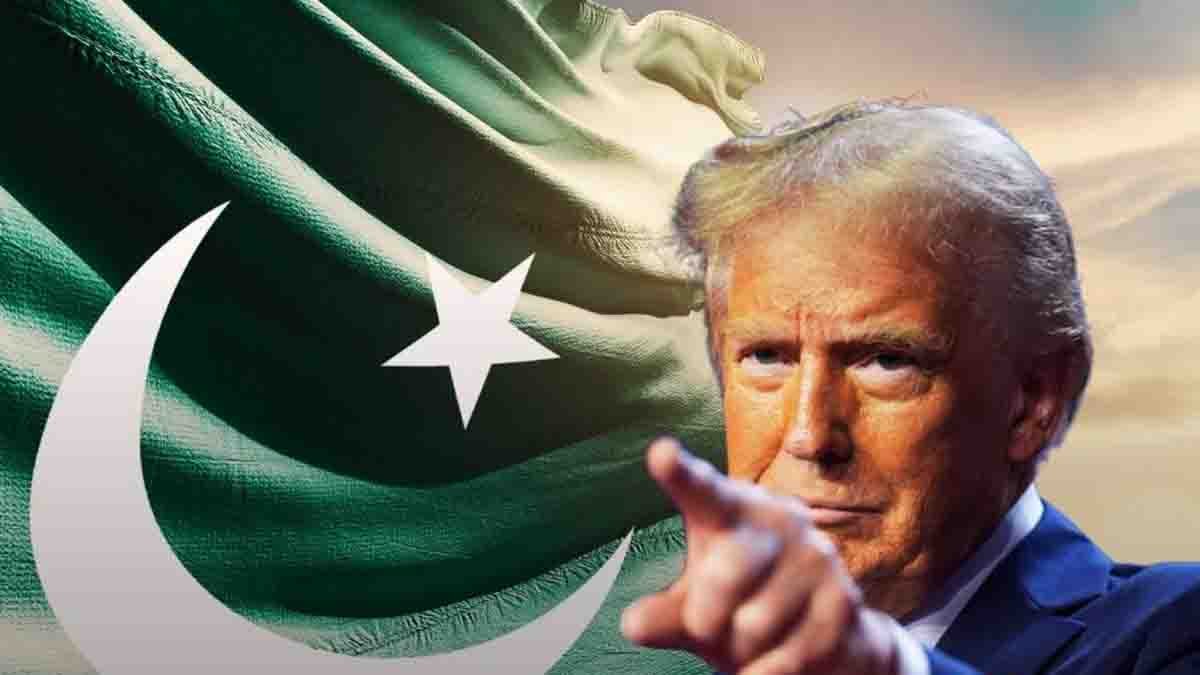
Pakistan faces a United States immigrant visa processing pause effective January 21, 2026, as part of broader restrictions affecting 75 countries. However, nonimmigrant visas for tourists, students, athletes, skilled workers, and their families remain unaffected.
Pakistan was not placed on the “red list” reserved for countries facing complete US travel bans. Instead, Pakistan is included in the “Orange List,” consisting of 10 countries facing restricted travel rather than an outright ban.
The restrictions represent the Trump administration’s second-term immigration enforcement priorities, focusing on national security vetting and preventing welfare dependency among immigrants.
Current Restriction Status
The Department of State is undergoing a full review of all screening and vetting policies to ensure that immigrants from high-risk countries do not unlawfully utilize welfare in the United States or become a public charge.
Pakistani nationals may continue applying for visas and attending scheduled interviews, but immigrant visa issuance remains paused pending enhanced vetting procedures.
Orange List Classification
Citizens from Orange List countries would have their visas heavily restricted and be subjected to mandatory in-person interviews in order to receive a visa.
Under this classification, business travelers might still receive visas, but immigrant and tourist visas could face limitations beyond what existed previously.
The Orange List includes 10 countries: Pakistan, Russia, Myanmar, Belarus, Haiti, Laos, Eritrea, Sierra Leone, South Sudan, and Turkmenistan.
Key Dates and Timeline
January 20, 2025: Trump signed Executive Order 14161 directing comprehensive visa policy review with 60-day deadline.
January 21, 2026: Immigrant visa pause took effect for 75 countries including Pakistan.
March 21, 2025: Original deadline for federal agencies to submit security assessment reports.
June 9, 2025: First travel ban of Trump’s second term took effect affecting 19 countries.
January 1, 2026: Expanded travel ban took effect covering 39 countries with full or partial restrictions.
Immigrant Visa Pause
The United States officially announced a pause in the issuance of immigrant visas to nationals of 75 countries, including Pakistan, citing concerns about the potential misuse of public welfare benefits.
Immigrant visa applicants from the listed countries may continue to submit applications and attend scheduled visa interviews. However, no immigrant visas will be issued to nationals of these countries during the pause.
Affected Visa Categories
All categories of immigrant visas — including family-based, employment-based, and diversity visas — are impacted.
Family-based immigration: Immediate relatives of US citizens, family preference categories, and derivative beneficiaries face indefinite processing delays.
Employment-based immigration: EB-1 through EB-5 categories including skilled workers, professionals, investors, and religious workers cannot receive visa issuance.
Diversity Visa Lottery: The Department of State has paused all visa issuances to diversity immigrant visa applicants.
The State Department clarified that the move does not revoke any previously issued immigrant visas. Pakistani nationals holding valid immigrant visas issued before January 21, 2026 may still use them for US entry, subject to standard admission procedures at ports of entry.
Public Charge Rationale
The decision is part of a broader policy review ordered by President Donald Trump, who has reiterated that immigrants to the United States must be financially self-sufficient and should not become a burden on American taxpayers.
The freeze is closely linked to the US public-charge rule, which assesses whether immigrants are likely to rely on government assistance.
The policy targets countries whose immigrants allegedly have high rates of collecting public assistance, though specific statistical justifications for Pakistan’s inclusion remain unclear.
Read more: United States pauses all immigration applications from 19 countries: See if Pakistan is included
Nonimmigrant Visas Not Affected
This action applies to the issuance of immigrant visas only. Pakistani nationals seeking temporary entry to the United States face no new restrictions beyond standard processing requirements.
Tourist Visas (B-1/B-2)
Tourist visas are nonimmigrant visas and are not affected by the immigrant visa pause.
Pakistani tourists, business visitors, and those seeking medical treatment in the United States may continue applying for B-1/B-2 visas through standard procedures. Processing times, fees, and eligibility requirements remain unchanged.
Student Visas (F, M, J)
Pakistani students accepted to US educational institutions can apply for F-1 (academic), M-1 (vocational), or J-1 (exchange) visas without additional restrictions from the immigrant visa pause.
Universities including Columbia advised Pakistani students to avoid non-essential travel due to uncertainty, but student visa processing continues normally for new applicants and renewals.
Work Visas (H-1B, L-1)
Employment-based nonimmigrant visas remain available to Pakistani professionals, including:
H-1B: Specialty occupation workers in fields requiring bachelor’s degrees or higher.
L-1: Intracompany transferees from Pakistani offices of multinational corporations.
O-1: Individuals with extraordinary ability or achievement.
E-2: Treaty investors and employees (Pakistan has E-2 treaty status with the US).
Note: A separate September 2025 proclamation imposed a $100,000 fee per H-1B petition with limited national-interest exemptions, affecting all H-1B applicants regardless of nationality.
US Travel Advisory for Pakistan
The US State Department maintains Pakistan at Level 3: Reconsider Travel due to armed conflict, terrorism, crime, and kidnapping.
The department updated its travel advisory for Pakistan on January 26, 2026, advising travellers to reconsider plans due to crime, civil unrest, terrorism, and kidnapping risk.
Officials added an “unrest” indicator due to possible “armed conflict” and a crime risk indicator following US-Iran hostilities in late February 2026.
Level 4: Do Not Travel Areas:
Balochistan Province and Khyber Pakhtunkhwa (KP) Province, including the former Federally Administered Tribal Areas (FATA), due to terrorism and kidnapping. The immediate vicinity of the Line of Control due to terrorism and the potential for armed conflict.
Terrorist groups within Pakistan continue to seek opportunities to attack locations where U.S. citizens and other Westerners are known to congregate or visit.
Typical targets include transportation hubs, hotels, markets, shopping malls, military and security sites, airports, trains, schools, hospitals, places of worship, tourist locations, and government buildings7.
Consulate Operations
On March 3, 2026, the Department of State ordered non-emergency U.S. government employees and the family members of U.S. government personnel from U.S. Consulates Lahore and Karachi to leave Pakistan due to safety risks.
There is no change to the status of Embassy Islamabad, which continues providing full consular services.
Current Consulate Status:
US Embassy Islamabad: Fully operational, providing all routine and emergency services.
US Consulate Karachi: Operating with reduced staff; some appointment cancellations occurred in early March 2026.
US Consulate Lahore: Operating with reduced staff; movement restrictions for remaining personnel.
US Consulate Peshawar: Temporarily suspended operations effective March 2, 2026. The U.S. Embassy in Islamabad continues to provide all routine or emergency consular services.
The Government of Pakistan restricts the travel of U.S. government personnel working in Pakistan. The U.S. embassy and consulates have a limited ability to provide consular services to dual U.S.-Pakistani citizens who have been arrested or detained. Pakistani law considers such individuals to be exclusively citizens of Pakistan.
Impact on Pakistani Nationals
Pakistan’s inclusion on the restrictive list subjects its citizens to heightened scrutiny and prolonged visa processing.
Current US Residents:
Immigrant visa applicants who are nationals of Pakistan may submit visa applications and attend interviews, and the Department of State will continue to schedule consular appointments, but no visas will be issued during the pause.
Pakistanis currently in the United States on valid visas or as permanent residents face no deportation risk from the immigrant visa pause. The policy affects only new visa issuance, not current status holders.
Students and Professionals:
The policy shift has already created uncertainty for students and professionals. Columbia University’s International Students and Scholars Office issued a travel advisory urging students from affected countries — particularly Pakistan — to reconsider non-essential travel.
Social media discussions reflect growing anxiety, with many Muslim professionals — including physicians and IT experts — warning each other to carry all necessary documents.
Families:
Family-based immigrant visa processing indefinitely delays reunification for thousands of Pakistani families with approved petitions. Spouses, children, parents, and siblings of US citizens and permanent residents cannot receive visa issuance despite petition approvals.
Economic Impact:
The Pakistani diaspora ranks among the 10 most prosperous demographic groups in the United States. Pakistani Americans are largely self-reliant and do not depend on social welfare programmes, contradicting the public charge rationale for restrictions.
How to Navigate Restrictions
For Immigrant Visa Applicants:
Continue attending scheduled interviews if called. The State Department processes applications and maintains cases in the system, positioning applicants for potential visa issuance if/when restrictions lift.
Maintain all documentation current including police certificates, medical examinations, and financial evidence. These documents have expiration dates; ensure renewals before validity lapses.
Monitor official State Department announcements through travel.state.gov rather than relying on social media speculation.
Consult immigration attorneys regarding case-specific strategies, potential waivers, or alternative pathways.
For Nonimmigrant Visa Applicants:
Apply normally for tourist, student, or work visas through standard procedures at ustraveldocs.com/pk.
Prepare comprehensive documentation demonstrating strong ties to Pakistan including employment, property ownership, family connections, and intent to return.
Citizens from Orange List countries must undergo mandatory in-person interviews before obtaining a US visa. Prepare thoroughly for consular interviews with clear, honest answers about travel purposes.
For Current Visa Holders:
Valid visas issued before January 21, 2026 remain usable for US entry. Carry all supporting documentation during travel including invitation letters, employment verification, or school enrollment documents.
If you are a citizen of a potentially listed country, avoid international travel unless absolutely necessary, as re-entry may be denied if new restrictions are enacted.
For US Citizens Traveling to Pakistan:
Enroll in the Smart Traveler Enrollment Program (STEP) to receive important updates and alerts from the U.S. embassy or consulate.
Have a plan to leave in an emergency that does not depend on U.S. government help given reduced consulate staffing.
Being near a protest can draw scrutiny from Pakistani security forces. U.S. citizens have been detained for participating in protests. You can also face detention for posting content on social media viewed as critical of the Pakistani government, military, or officials.
Pakistani Government Response:
A Pakistani parliamentary delegation urged US lawmakers to remove Pakistan from the restrictive visa list. “Pakistan’s inclusion in the list of 75 countries whose nationals face visa difficulties is a serious issue. We hope this will soon be resolved and Pakistan’s name will be removed,” stated Senator Saleem H. Mandviwalla.
The restrictions remain fluid. Policy changes can occur with minimal notice through presidential proclamations or State Department announcements. Affected individuals should regularly check official sources including pk.usembassy.gov and travel.state.gov for updates.
The immigrant visa pause lacks a specified end date. Duration depends on administration priorities, diplomatic negotiations, security cooperation assessments, and potential legal challenges. Similar restrictions during Trump’s first term persisted until Biden’s inauguration revoked them in January 2021.
Pakistan’s status may improve through enhanced security cooperation, improved information-sharing protocols, or diplomatic negotiations. Conversely, restrictions could tighten if Pakistan is moved from the Orange List to more restrictive categories.
For now, Pakistani nationals seeking US immigrant visas face indefinite waiting periods, while those pursuing tourism, education, or employment through nonimmigrant visa categories may proceed normally through standard application processes.

Join the Conversation
Share your thoughts, questions, or feedback below.