
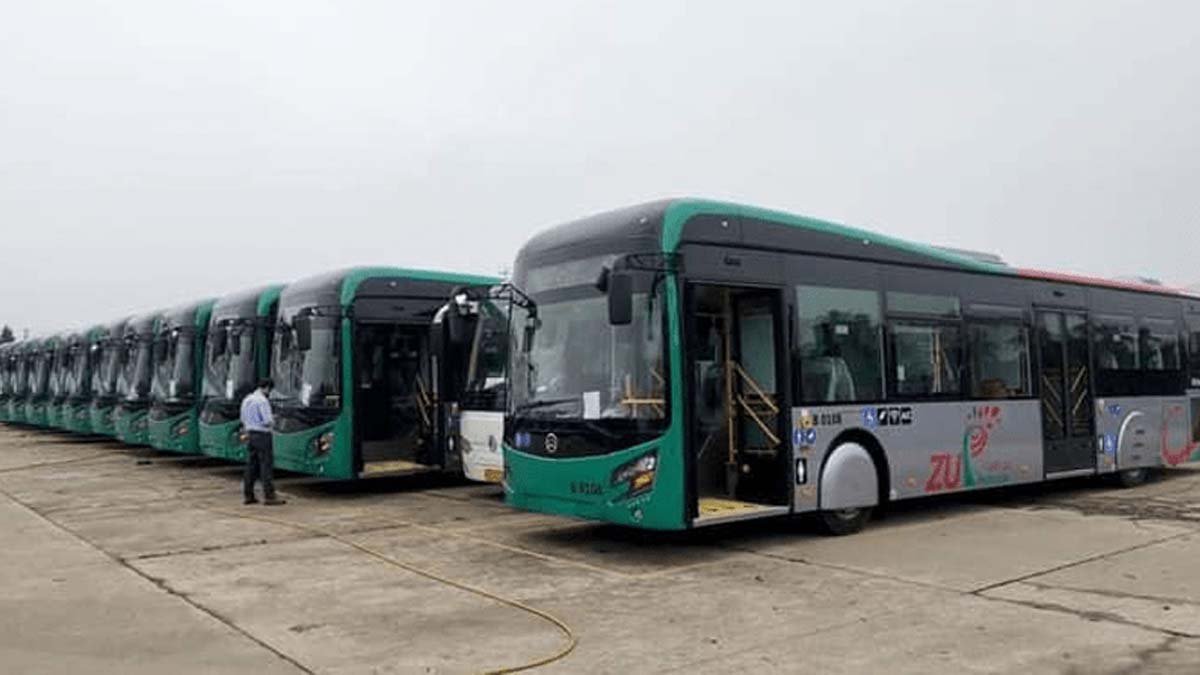
Peshawar’s BRT expansion is no longer just a plan to extend service to a few roads. The latest discussions under Chief Minister Sohail Afridi show a broader, more integrated vision for the city’s rapid transit system. The proposed second Ring Road, stretching approximately 31 kilometers through southern Peshawar, is now being evaluated as a potential corridor for a dedicated BRT track.
This complements earlier decisions to strengthen infrastructure at key hubs: a dedicated ramp at Karkhano Station, with an estimated cost of Rs 500 million, will support seamless BRT operations. Taken together, these updates point to a larger push that goes beyond route extensions—encompassing infrastructure upgrades, integration with major roads, and planning for future fleet and service expansion across the southern districts of the city.
The first expansion plan has already changed
When the government first outlined the expansion in February 2025, it spoke about more service to Ring Road, Bara Road, and Khyber Road, along with 72 more diesel-hybrid buses. That figure did not remain the working number for long.
By February 28, 2025, TransPeshawar’s board had decided to purchase 50 more buses through open bidding. That made it clear that the early announcement was only one step in a changing procurement process.
In March 2025, senior officials visited the BRT corridor to review operations, infrastructure, and expansion work. They examined access points to be developed inside the corridor, reviewed improvements at Aman Chowk, and checked progress at the Mall of Hayatabad for handover to TransPeshawar.
The fleet plan is now much bigger
The biggest shift came in June 2025. TransPeshawar issued official consultancy papers for bus specification, procurement, depot design, and solar integration. Those documents show a much larger ambition than the original article suggested.
Read more: Rs 100 billion development drive to restore lost glory of Peshawar: Key roads to get major overhaul
The company said it intended to procure 50 diesel-electric hybrid buses and 100 electric buses. The same plan also covers land identification for a new depot, design work for additional fleet deployment, and renewable-energy integration.
That direction became more concrete in December 2025, when TransPeshawar issued prequalification documents for pure-electric 12-meter buses for the Peshawar BRT system. At that point, the expansion story had clearly moved beyond a simple increase in bus numbers. It had become a fleet-transition story as well.
The current BRT network is already larger and busier
Official operating material published in 2025 shows that Zu Peshawar was already running 18 routes. These included 10 direct routes, 6 express routes, and 2 stopping routes. The same documents say the system had 244 buses in service and still had 5 more direct routes planned.
TransPeshawar’s operating papers also describe the system as carrying about 85 million passengers a year with a peak-day ridership of 300,000. PDA’s current BRT project page places daily ridership even higher, at over 329,000 passengers. The figures differ slightly, but both official sources show the same thing: demand is heavy and the network is already working at scale.
Some of the route story has also moved from planning into operation. Official route information includes DR-04B, which runs via Ring Road. That means Ring Road is no longer only a future talking point in the public record.
Fares and route priorities changed in 2025
The system also became more expensive in 2025. KPUMA’s official fare notice says the minimum BRT fare rose from Rs 20 to Rs 30 from July 1, 2025. Officials linked the increase to rising fuel and operating costs.
Later in the year, the expansion target moved further outward. During an official BRT visit posted by TransPeshawar in November 2025, Chief Minister Sohail Afridi said services would be extended to Jamrud, TD Bazaar, and Bara Bazaar. He also said more buses would be added to reduce overcrowding.
What comes next
The strongest reading of the story now is simple. Peshawar BRT expansion has materially progressed, but not in a straight line.
The original article treated the matter as a near-term route extension with 72 buses. The latest verified record shows a different picture: a live high-demand system, revised procurement decisions, a fare hike, official plans for 50 hybrid buses and 100 electric buses, and new expansion targets toward Jamrud and Bara.
The system’s profile has also risen. In January 2026, DGIPR said TransPeshawar had been shortlisted for the Decarbonising Transport Awards 2026 and noted that BRT Peshawar had already won five international awards.
For readers today, this is no longer just a February 2025 announcement story. It is a continuing update on how Peshawar’s BRT is trying to add capacity, modernize its fleet, and stretch service into new areas without losing pace on a network that already carries more than 300,000 passengers a day.


Join the Conversation
Share your thoughts, questions, or feedback below.