
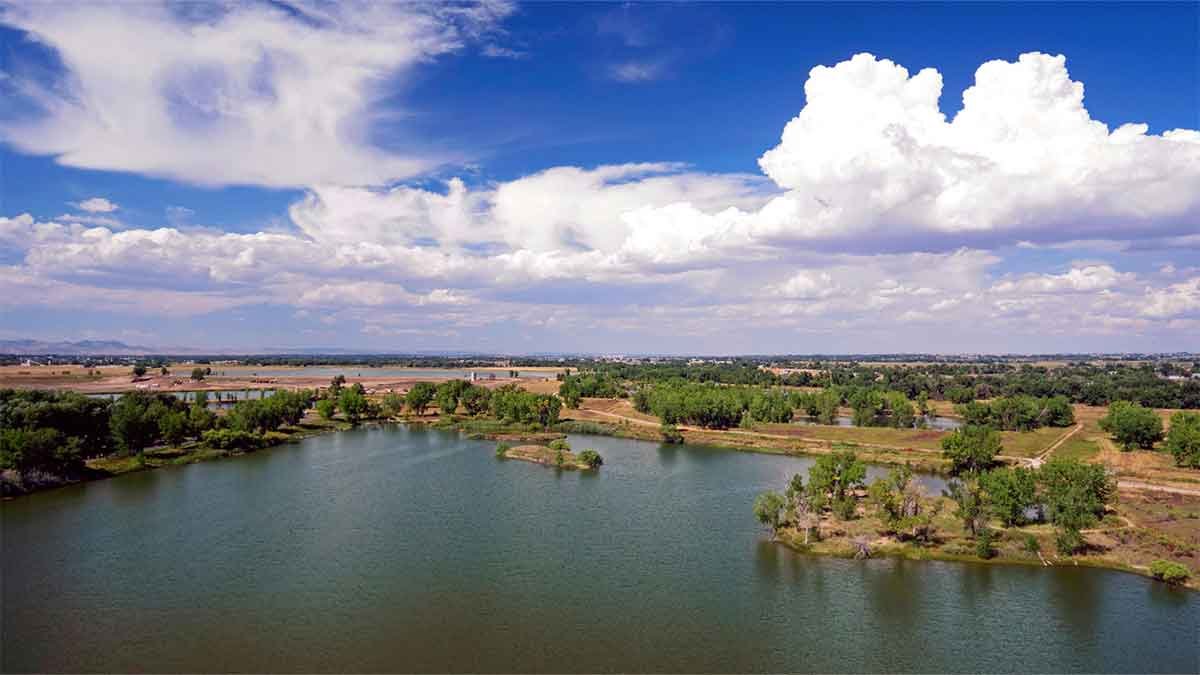
Rawalpindi’s plan to bring more water from Chahan Dam is moving ahead, but much more slowly than the first reports suggested. The January 2025 announcement focused on two linked upgrades: a new Chahan-based supply system expected to add 12 million gallons per day, and the replacement of an old Rawal Dam conductance main expected to add another 5 MGD. Together, they form a key part of the ADB-backed DREAMS water project for Rawalpindi.
What the project includes
The scheme is bigger than a single pipeline. Official project documents show that the Chahan package includes a raw water intake structure, a 12 MGD water treatment plant, intermediate pumping stations, underground storage tanks, overhead reservoirs, conductance and gravity mains, distribution pipes, water metering, and house connections.
RDA has also described the wider DREAMS scope as treatment and transportation of 14.5 MGD from Chahan Dam to Rawalpindi city, showing that the project sits inside a broader citywide upgrade rather than a stand-alone line.
The linked Rawal component is also important. The original coverage said an old 11-kilometer concrete line from Rawal Dam would be replaced with a 33-inch steel pipeline to raise supply by 5 MGD. That means the Chahan story cannot be separated from the Rawal upgrade if readers want the full picture.
Progress after work began
Construction did not start from zero in January 2025. Official monitoring shows civil works for Lot 1 at Chahan were issued to the contractor on November 14, 2024. That lot covers the intake and treatment plant and is expected to improve supply for 298,468 residents in areas that were added to WASA’s service zone.
Read more: Rawalpindi to get 35 million gallons of daily water supply from Daducha Dam
But physical progress stayed limited through early 2025. At a review meeting held in April, officials said the Chahan component was at 7.5% progress and the Rawal component at 6.6%. That made it clear the project was still in an early build phase months after the work-start announcement.
Why the project slowed
The biggest obstacle has not been only construction. It has also been land acquisition and compensation. The latest official monitoring report says the Rawalpindi water-supply package requires 19.64 acres of land across multiple sites and affects 471 displaced persons under the updated payment register. By December 2025, compensation was 97% complete in Lot 1 and 71% complete in Lot 2. In Lot 3, 22 of 23 affected people in Sheikhpur had been paid, but payments in Morga and Girja had still not started.
The report gives the reason clearly. The post of Land Acquisition Collector had been vacant since May 2025, and some inheritance or mutation matters were also tied up in court. That administrative delay became a real project delay. Later reporting also said Lots 2 and 3 were likely to be re-tendered, while work continued on Lots 1 and 4.
What the timeline looks like now
The early article read like a fast-moving construction story. The later record tells a different story. By late 2025, local reporting said the wider DREAMS timetable had moved to 2027. By January 2026, the first phase was being presented as a 2026-27 outcome rather than an immediate relief measure. That first phase is expected to bring 17 MGD in total from the Chahan and Rawal-related upgrades.
The wider program is still active. Official procurement documents also show a tender for a 12.192 MW solar PV plant to support Rawalpindi’s resilient water-supply system, which means the project is now also being built around energy reliability and lower operating costs.
Why Rawalpindi still needs the extra water
The demand case has not weakened. In April 2025, WASA said the city was receiving only 51 MGD against a need of 70 MGD. In February 2026, it went further and declared a drought emergency because low rainfall had reduced dam levels and underground reserves. That is why the Chahan Dam pipeline story still matters: the city’s shortage remains real while the project is still being built.
The strongest current reading of this story is simple. The project has moved beyond an announcement and into implementation, but it has not moved fast enough to solve Rawalpindi’s shortage yet. The work is real, the need is urgent, and the next meaningful update will be whether the pending lots and compensation issues are cleared in time to deliver the promised first-phase water in 2026-27.



Join the Conversation
Share your thoughts, questions, or feedback below.