
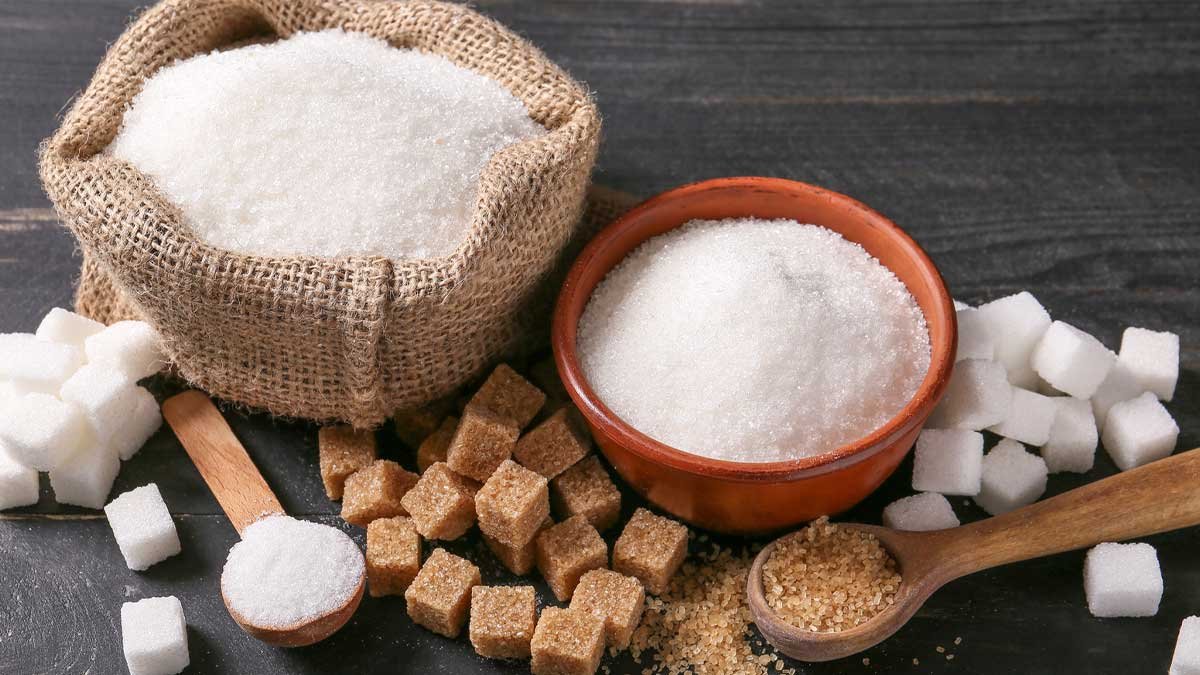
Pakistan’s sugar industry is once again at a crossroads. A record-breaking 2025–26 crushing season has left the country with a surplus of 1.32 million metric tons of sugar — and mills are losing money holding it.
The Pakistan Sugar Mills Association (PSMA) is pushing hard for immediate export approval. Without it, they warn, the financial damage to the sector will deepen fast.
A Bumper Season Creates a Billion-Dollar Problem
Production during the ongoing crushing season, which began in November 2025, has already reached 7.573 million metric tons as of March 31, 2026, and is expected to touch 7.6 million tons once all mills conclude operations. Seasonal sugar beet output between April and June is projected to contribute another 86,809 metric tons, pushing total production close to 7.958 million tons.
The problem? Pakistan simply cannot consume what it produces.
Annual sugar supply between November 2024 and November 2025 stood at 6.476 million tons, translating to average monthly consumption of 539,662 tons. Factoring in a population growth rate of 2.5%, projected annual consumption for the coming year stands at 6.638 million tons.
That gap between supply and demand is what has the industry alarmed.
What the Numbers Say: 2025–26 Season at a Glance
The production-consumption imbalance has resulted in a projected surplus of 1.32 million metric tons. Even after setting aside a strategic reserve equivalent to one month’s consumption, an excess of approximately 767,000 tons remains.
Industry stakeholders argue that holding such large stocks is financially burdensome, especially as domestic sugar prices have dropped below production costs due to rising sugarcane prices and input expenses.
The PSMA estimates that exporting the surplus sugar could generate between $400 million and $500 million in foreign exchange.
How Pakistan Got Here: The 2024 Export Cycle
Government Approvals: A Running Timeline
The current situation is not Pakistan’s first surplus export cycle. In 2024, the government opened the export tap — gradually, then all at once.
An official announcement from the Ministry of Industry confirmed the government conditionally allowed the export of 150,000 tonnes of sugar in June 2024.
The government later expanded the quota by 100,000 tons in August, approved an additional 40,000 tons to Tajikistan via government-to-government terms, and on October 8, 2024, authorized another 500,000 tons for export.
By the end of 11 months in the fiscal year, Pakistan had exported 765,734 metric tonnes of sugar, earning Rs114 billion — a staggering 2,200% increase compared to the same period the previous year.
The Price Spike Nobody Expected
Rapid exports came with a painful domestic cost.
The policy to export first and import later led to a sharp rise in domestic sugar prices, which hit a record Rs190 per kilogram, up from Rs140 before the exports began.
The government was then forced to reverse course and authorize sugar imports to stabilize the market — a move that drew sharp criticism from economists and opposition lawmakers.
The July 2025 Export Agreement
Facing pressure from both millers and consumers, the government signed a new framework deal in July 2025.
The agreement stated that “the federal government will allow export of sugar stocks exceeding seven million metric tonnes (carryover plus 2025-26 production), after 30 days of the closing of the crushing season 2025-26.”
The deal, signed on July 14 between the minister for national food security and research and the PSMA, also aimed to keep ex-factory sugar prices between Rs 165 and Rs 171 per kilogram until October 15.
This agreement now forms the legal basis for the current export push.
Read more: After rise in sugar prices, Pakistanis are now facing higher costs for flour and roti
PSMA’s 2026 Demand: Export Now or Face Deeper Losses
At a press conference on March 31, 2026, PSMA Chairman Ch Zaka Ashraf delivered a blunt message.
He urged the government to immediately allow export of surplus sugar and move toward full deregulation of the sector, warning that continued restrictions are causing heavy financial losses to millers despite a bumper production year.
The PSMA noted that the sugar industry — Pakistan’s second-largest agro-based sector after textiles — generates over Rs1,000 billion in annual economic activity. The sector also contributes around Rs300 billion in taxes and provides import substitution worth approximately $5 billion annually.
The case for exports extends well beyond the 2025–26 season.
PSMA argues that with full export facilitation, the country can earn $4 billion annually from sugar exports, with an additional $1 billion from ethanol.
Target Markets and the Ethanol Opportunity
Central Asian states, Afghanistan, and China are identified as large markets for Pakistani white sugar — markets from which India currently benefits despite Pakistan’s geographic proximity and lower transportation costs. The PSMA says the Export Facilitation Scheme and free trade agreements with these countries can generate significant foreign exchange.
Beyond raw sugar, the PSMA has also highlighted a largely untapped opportunity.
An ethanol blending policy was formulated in Pakistan in 2006 and 2009 but was later abolished due to lobbying by oil marketing companies. A 20% bioethanol blending target for vehicular petroleum consumption — already implemented in neighboring India — remains achievable.
The Policy Challenge: Balancing Millers and Consumers
Pakistan’s sugar sector sits at the center of a recurring tension. Millers want exports to protect profitability. Consumers need supply stability to keep retail prices in check.
Analysts say deregulation of the sugar market is critical to promote free trade mechanisms where price signals can be effectively conveyed to all stakeholders to attract investment and increase competitiveness.
The situation is further aggravated by Pakistan’s growing import bill, particularly for oil, amid escalating global prices linked to geopolitical tensions — making the forex case for sugar exports even more pressing.
The government must now decide: act quickly on the 767,000-ton exportable surplus, or risk repeating the costly cycle of delayed decisions, missed forex earnings, and domestic price volatility.




Join the Conversation
Share your thoughts, questions, or feedback below.