
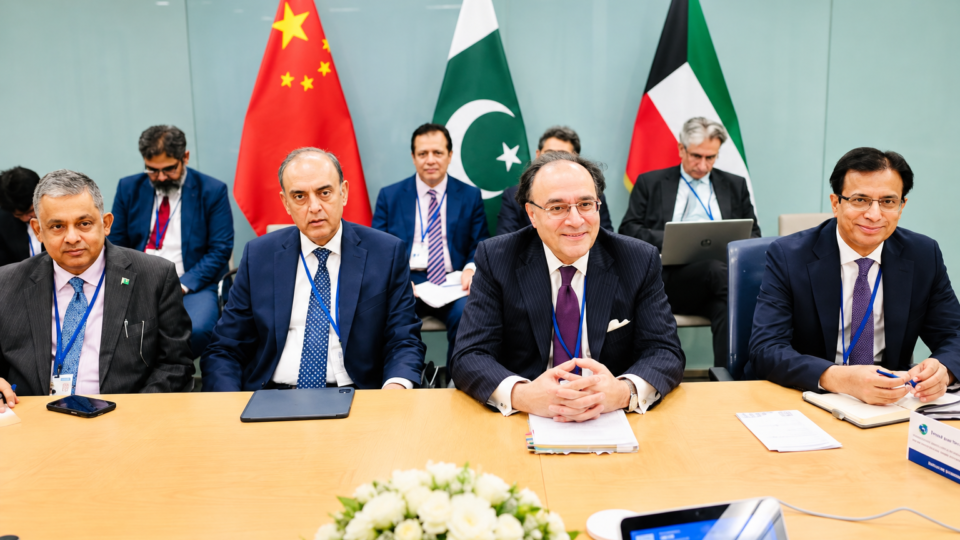
Pakistan has received assurances from China and Kuwait to extend loans and financial facilities worth a combined $4.3 billion, providing important support for the country’s external financing requirements during the current fiscal year. Under the reported arrangements, China is expected to roll over $4 billion, while Kuwait is expected to extend a $300 million facility. The development comes as Pakistan works to manage substantial external debt repayments and maintain stability in its foreign exchange reserves.
The latest assurances follow Saudi Arabia’s separate decision to extend its $3 billion financial facility to Pakistan. If the Chinese and Kuwaiti arrangements are finalised as expected, the combined value of rollover facilities from the three friendly countries will reach $7.3 billion. These arrangements are expected to help Pakistan manage upcoming payment obligations without immediately returning the full amounts to its lenders.
China Assures Pakistan of $4 Billion Loan Rollover
China has assured Pakistan that it will roll over approximately $4 billion in deposits, according to sources in the Ministry of Finance. The Chinese deposit is scheduled for rollover in March 2027, making the arrangement an important part of Pakistan’s external financing planning.
The extension is expected to provide additional financial flexibility to Pakistan as it manages its foreign exchange requirements. Chinese deposits have played an important role in supporting Pakistan’s external reserves and helping the country meet its international financial obligations.
The expected rollover would allow Pakistan to continue using the financial support without immediately repaying the full amount at maturity. However, the final terms and duration of the arrangement have not yet been publicly disclosed.
Kuwait Expected to Extend $300 Million Facility
Alongside China, Kuwait is expected to roll over a financial facility worth $300 million. The proposed extension will add to Pakistan’s available external financing support during the current fiscal year.
Although the amount is smaller than China’s contribution, the Kuwaiti facility is another part of Pakistan’s efforts to secure continued financial cooperation from friendly countries.
Finance Ministry sources expect the Chinese and Kuwaiti facilities to be extended for approximately one year. Final confirmation and detailed terms will determine the exact arrangements.
Saudi Arabia Already Extends Its $3 Billion Facility
The latest development follows Saudi Arabia’s decision to extend its separate $3 billion financial facility to Pakistan. Finance Minister Muhammad Aurangzeb confirmed that the rollover had been agreed following discussions with his Saudi counterpart.
The Saudi facility had been approaching maturity, creating an important financing requirement for Pakistan. Its extension has helped reduce immediate repayment pressure and strengthened the country’s external financing position.
With Saudi Arabia’s $3 billion extension and the expected $4.3 billion from China and Kuwait, Pakistan is looking at a combined $7.3 billion in bilateral loan rollovers.
These arrangements reflect continued financial cooperation between Pakistan and its key regional partners. However, the Saudi extension has been confirmed, while the Chinese and Kuwaiti arrangements remain subject to final confirmation.
Pakistan Faces $21.5 Billion in External Debt Payments
Pakistan faces approximately $21.5 billion in gross external debt-servicing obligations during fiscal year 2026–27. These payments include principal repayments and interest obligations that the country must manage through available foreign exchange resources, refinancing and financial arrangements.
According to figures presented to the Senate Standing Committee on Finance and Revenue, around $10.5 billion is expected to be covered through rollovers and refinancing from bilateral and commercial creditors. This would leave approximately $11 billion in net external payments.
The expected $7.3 billion in bilateral rollovers from Saudi Arabia, China and Kuwait forms part of these wider refinancing arrangements. Extending the facilities can reduce immediate pressure on Pakistan’s foreign exchange reserves, although the underlying obligations remain outstanding.
The government must also manage other external payments, including international bonds and commercial financing. Maintaining sufficient reserves will remain important for meeting these obligations on time.
Pakistan Expects $1.21 Billion from the IMF in December
Pakistan is also expecting a financial disbursement of approximately $1.21 billion from the International Monetary Fund in December 2026. The expected funding is linked to the completion of the fourth review under the Extended Fund Facility and the third review under the Resilience and Sustainability Facility.
Pakistan and the IMF reached a staff-level agreement in October, marking progress in the country’s ongoing economic programme. However, the expected disbursement still requires approval from the IMF Executive Board.
Finance Minister Muhammad Aurangzeb has indicated that the Executive Board meeting is expected to take place in December, although the final date has not been confirmed.
If approved, the IMF funding would provide additional support for Pakistan’s external financing position. Combined with the expected bilateral rollovers, it could help the government manage upcoming repayments and maintain financial stability.
What Loan Rollovers Mean for Pakistan’s Economy
A loan rollover means extending the repayment date of an existing financial obligation instead of paying the full amount immediately. It provides a borrower with additional time to meet its financial commitments and helps reduce short-term pressure on available funds.
For Pakistan, the expected extensions from China and Kuwait could help preserve foreign exchange reserves that would otherwise be used for immediate repayments. This may also support confidence among international lenders and financial institutions.
However, a rollover does not mean that a loan has been cancelled or forgiven. Pakistan will still need to repay the outstanding amounts according to the revised terms. The country must also continue working on exports, foreign investment, government revenues and sustainable economic growth to reduce dependence on repeated external financing arrangements.
Pakistan Strengthens Financial Cooperation with Friendly Countries
The expected $4.3 billion rollover assurances from China and Kuwait represent an important development in Pakistan’s external financing strategy. Together with Saudi Arabia’s separate $3 billion extension, the arrangements could provide $7.3 billion in bilateral rollover support.
The expected IMF disbursement in December could further strengthen the country’s financing position if approved. Nevertheless, Pakistan will continue to face substantial external debt obligations during the current fiscal year.
The government’s broader challenge will be to maintain foreign exchange reserves, meet repayment deadlines and gradually reduce reliance on short-term financial support. The latest assurances provide additional breathing room, but long-term economic stability will depend on stronger exports, investment and sustainable debt management.



Join the Conversation
Share your thoughts, questions, or feedback below.