

Pakistan’s fintech ecosystem has transitioned from a period of experimental growth to one of institutional maturity and international recognition. In 2026, the sector is no longer defined merely by mobile wallets or basic money transfers. Instead, it is being reshaped by the operationalization of digital retail banks, the expansion of the RAAST payment infrastructure, and a significant wave of international investment and consolidation.
With over 120 million branchless banking accounts and a regulatory environment that is increasingly focused on consumer protection and interoperability, Pakistan is rapidly emerging as a regional fintech hub.
The Digital Banking Era: SBP’s Five New Entrants
The most significant development in the banking sector is the progress of the five winners of the State Bank of Pakistan’s (SBP) Digital Retail Bank (DRB) licenses. These entities—HugoBank, KT Bank, Mashreq Bank, Raqami, and Telenor Microfinance Bank (Easypaisa)—are currently moving through their pilot phases and “In-Principle” approvals.
Unlike traditional banks, these institutions operate without physical branches, utilizing Artificial Intelligence (AI) and biometric verification for all onboarding and credit scoring. This shift is expected to revolutionize lending for Small and Medium Enterprises (SMEs) and individuals who were previously ignored by the formal banking sector due to a lack of traditional collateral.
RAAST 2.0: Transforming the National Payment Backbone
RAAST, Pakistan’s first instant payment system, has evolved from a simple Peer-to-Peer (P2P) service into the national backbone for all digital transactions. Managed by the SBP, the platform has processed trillions of rupees in transaction volume over the last fiscal year.
Read more: Pakistan’s E-Commerce Market Poised to Hit $20 Billion by 2029 Amid Digital & Policy Shake-Up
P2M Payments and the Death of Cash
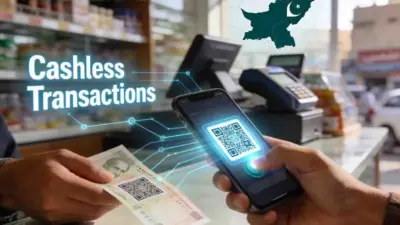
The introduction of Person-to-Merchant (P2M) payments via RAAST is the current driver of the “cashless” movement. By providing merchants with standardized QR codes and zero-fee transactions, RAAST has lowered the barrier to entry for millions of small retailers. From street vendors to high-end malls, the “Scan-and-Pay” culture is finally replacing physical currency in urban centers.
Cross-Border Integration with the “Buna” System
In a major geopolitical and economic milestone, the SBP successfully integrated RAAST with the Arab Monetary Fund’s “Buna” system. This allows millions of Pakistanis working in the UAE and other Arab countries to send remittances back home instantly and at a fraction of the cost of traditional wire transfers. This development is crucial for stabilizing Pakistan’s foreign exchange reserves and encouraging legal remittance channels.
Market Consolidation: The International Acquisition Wave
The Pakistani fintech market is now attracting significant international M&A (Mergers and Acquisitions) activity. In May 2024, the Turkish fintech giant Papara acquired SadaPay in a deal that resonated across the global tech landscape.
This acquisition signaled that Pakistani Electronic Money Institutions (EMIs) have built scalable, world-class technology stacks. It also suggests a period of consolidation where smaller players will merge or be acquired to compete with the sheer scale of established giants like NayaPay, JazzCash, and EasyPaisa.
Regulatory Shield: Crackdown on Predatory Lending
The Securities and Exchange Commission of Pakistan (SECP) has taken a much stricter stance on the “nano-lending” crisis. Throughout 2024, the SECP, in collaboration with Google and local law enforcement, removed over 300 illegal loan apps from the Play Store.
New regulations now mandate that digital lenders must clearly disclose interest rates, data privacy policies, and debt collection practices. Only licensed Non-Banking Financial Companies (NBFCs) are permitted to offer digital credit, ensuring that vulnerable citizens are protected from the “debt traps” that plagued the market in previous years.
Open Banking: The Next Frontier for Data
The SBP’s recent draft framework for Open Banking is set to be the next major catalyst for innovation. Open Banking allows banks to securely share customer data (with explicit consent) with third-party fintech developers via APIs (Application Programming Interfaces).
This will lead to the rise of “Personal Finance Management” apps, where a user can view accounts from multiple banks in a single dashboard, or use their transaction history from one bank to qualify for a loan at another. It marks the end of “data silos” and the beginning of a more consumer-centric financial era.
Read more: Pakistan plans to digitise all government payments by June 2026
Key Data: Fintech Growth Statistics
The sheer volume of growth in the last 12 months highlights the speed of this digital transition:
- Mobile Banking Transactions: Grown by over 80% year-on-year, surpassing paper-based transactions in total volume.
- E-Banking Value: Now accounts for more than PKR 50 trillion in quarterly value.
- Biometric Onboarding: Over 95% of new accounts are now opened using NADRA-linked biometric verification, virtually eliminating identity fraud in digital wallets.
- Active Wallets: Branchless banking agents have reached over 600,000 locations, providing “human ATMs” in remote villages.
Conclusion: The Road to a Cashless Pakistan
The fintech developments of 2026 have laid a permanent foundation for a digital economy in Pakistan. The transition from cash to cloud is no longer a luxury but a national economic strategy. As Digital Retail Banks begin their full commercial operations and Open Banking matures, the average Pakistani citizen will have more control over their financial life than ever before.
While challenges like digital literacy and cybersecurity remain, the momentum behind RAAST and international investments suggests that Pakistan’s fintech future is not just bright—it is global.


Join the Conversation
Share your thoughts, questions, or feedback below.