
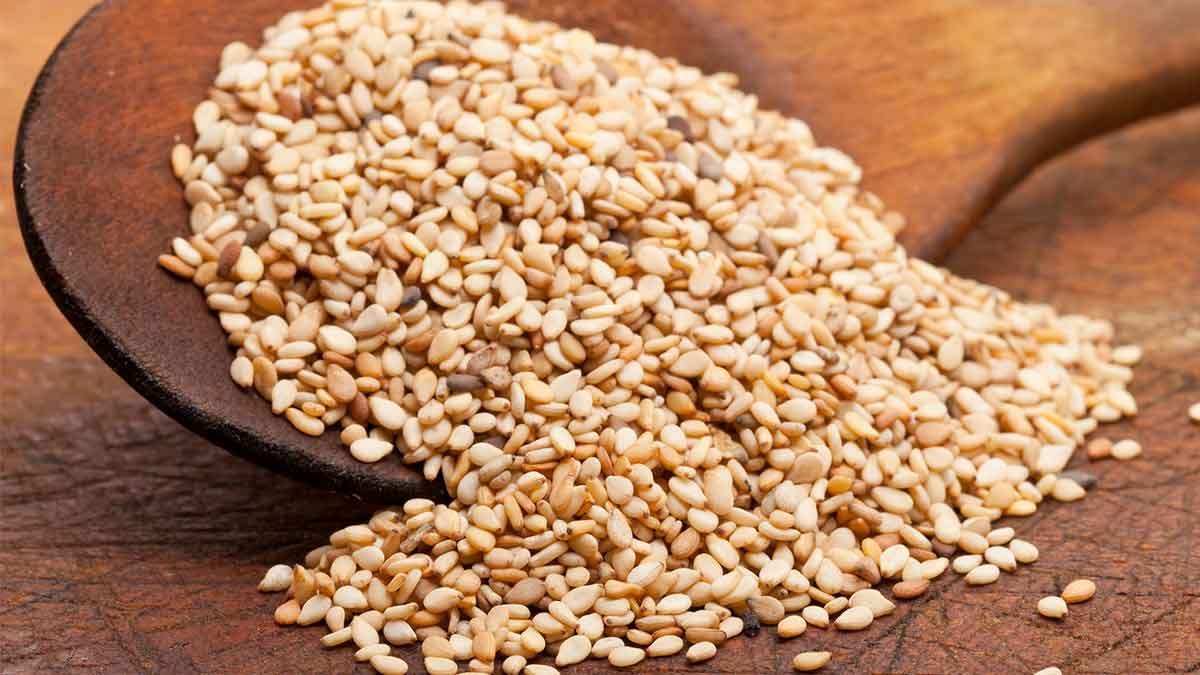
Pakistan has emerged as a powerhouse in the global sesame seed market, following a historic surge in exports to China. Driven by favorable trade policies and a massive expansion in domestic cultivation, sesame seeds have become one of Pakistan’s fastest-growing agricultural exports. In 2024, Pakistan consistently ranked among the top two suppliers of sesame to the Chinese market, marking a significant milestone in bilateral agricultural cooperation.
This transformation is not just a seasonal trend; it represents a fundamental shift in Pakistan’s agricultural landscape, where farmers are increasingly moving away from traditional low-yield crops toward high-value oilseeds.
Breaking Records: The 2024 Export Statistics
The latest data from the General Administration of Customs China (GACC) highlights an unprecedented growth trajectory. In the first ten months of 2024, Pakistan’s sesame seed exports to China surpassed $250 million. This follows a record-breaking 2023-24 fiscal year, during which Pakistan’s total global sesame exports reached $407 million.
China currently consumes nearly 80% to 90% of Pakistan’s total sesame output. The demand is fueled by China’s massive food processing industry and its shift toward sourcing high-quality agricultural products from the region to ensure supply chain stability.
The Role of CPFTA Phase II in Trade Expansion
The primary catalyst for this boom is the second phase of the China-Pakistan Free Trade Agreement (CPFTA). Under this agreement, Pakistani sesame seeds enjoy duty-free access to the Chinese market. This provides a significant competitive edge over other major producers who face tariffs.
The zero-tariff regime has encouraged Chinese importers to prioritize Pakistani suppliers. This policy has also provided Pakistani exporters with the price cushion needed to invest in better processing and packaging standards, ensuring their product meets international quality benchmarks.
Cultivation Surge: From Niche to 1.6 Million Acres
The export success has triggered a “Sesame Revolution” in Pakistan’s rural heartlands. Within just three years, the area under sesame cultivation has expanded from roughly 400,000 acres to over 1.6 million acres.
Regional Performance: Punjab vs. Sindh
Punjab remains the leader in production, with districts like Bahawalpur, Bhakkar, and Layyah becoming major sesame hubs. In Sindh, cultivation has picked up in the lower regions where water-scarce conditions favor sesame over more water-intensive crops. Farmers are increasingly attracted to sesame because of its short growth cycle, low water requirement, and high profitability compared to cotton or wheat.
Chinese Technological Collaboration and Yield Improvement
Under the framework of CPEC Phase II, agricultural cooperation has moved beyond simple trade. Chinese research institutes are actively collaborating with the Pakistan Agricultural Research Council (PARC) to improve seed quality.
Key areas of collaboration include:
- High-Yield Seeds: Introducing varieties that can produce 15-20 maunds per acre, compared to the traditional 10-12 maunds.
- Mechanization: Chinese firms are introducing modern harvesters and color-sorting machines to reduce post-harvest losses and improve the “purity” of the seeds for export.
- Disease Resistance: Developing hybrid seeds that can withstand local pests and the extreme heat of Southern Punjab and Sindh.
Future Outlook: Targeting the $1 Billion Milestone
The Rice Exporters Association of Pakistan (REAP) and other industry bodies are optimistic that sesame exports could hit the $1 billion mark within the next three years. Achieving this will require continued government support in terms of research and development and the establishment of “Special Sesame Zones” with integrated processing facilities.
As Pakistan continues to refine its agricultural value chain, the sesame seed sector stands as a prime example of how targeted trade agreements and technological integration can turn a niche product into a major economic pillar.



Join the Conversation
Share your thoughts, questions, or feedback below.