
Car buyers in Pakistan may finally get some relief as the government’s new import duty structure starts reshaping the market from July 1, 2026.
Under the revised auto tax framework, customs duty on several imported vehicle categories has been reduced sharply. The biggest benefit is expected in small and mid-size imported cars, especially popular Japanese models in the 660cc, 1300cc and 1800cc segments.
Industry estimates suggest that 660cc cars could become cheaper by Rs 3–5 lakh, 1300cc cars by Rs 5–7 lakh, and some 1800cc vehicles by Rs 10 lakh or more, depending on customs value, exchange rate and dealer pricing.
What Has Changed in Imported Car Duties?
The revised structure cuts customs duty on imported cars across multiple engine categories. Cars up to 800cc now face 30% customs duty, down from 50%. Cars from 1001cc to 1300cc now face 40%, down from 60%. Cars from 1601cc to 1800cc now face 45%, down from 75%. These changes were included in the amended Finance Bill 2026-27 and are effective from July 1, 2026.
That is a serious cut for buyers who were previously priced out of imported cars because of heavy duties, taxes and landed costs.
Expected Price Impact by Engine Size
| Category | Old Customs Duty | New Customs Duty | Expected Market Relief |
|---|---|---|---|
| 660cc / up to 800cc | 50% | 30% | Rs 3–5 lakh |
| 1001cc–1300cc | 60% | 40% | Rs 5–7 lakh |
| 1601cc–1800cc | 75% | 45% | Rs 10 lakh+ |
These are not official fixed discounts. Final prices will depend on auction value, freight, rupee-dollar rate, port charges, sales tax, withholding tax, regulatory duty, dealer margin and whether the car is fresh import or old stock.
Why 660cc Cars Could See Rs 3–5 Lakh Relief
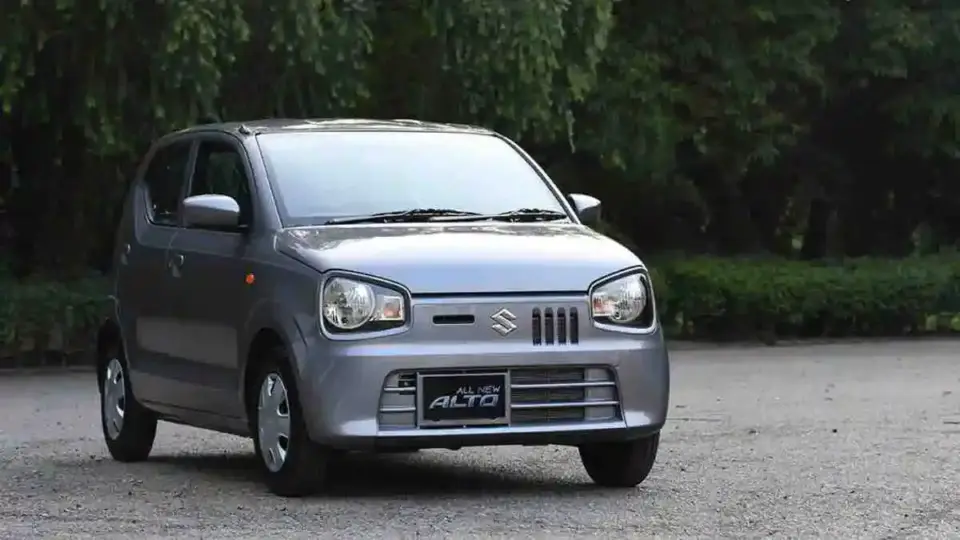
The most searched imported cars in Pakistan are usually 660cc Japanese kei cars. Models like Daihatsu Mira, Suzuki Alto, Nissan Dayz, Honda N-WGN, Mitsubishi eK and similar small cars are popular because of fuel economy, compact size and automatic transmission.
Since cars up to 800cc now fall under a lower 30% customs duty slab instead of 50%, fresh imports in this category can show a meaningful drop in landed cost. For many 660cc buyers, that could translate into a realistic market reduction of Rs 3–5 lakh, especially once new shipments arrive under the revised duty structure.
This segment matters most for middle-class households because 660cc imports often compete with locally assembled small cars.
1300cc Imports Could Become More Attractive Again
The 1001cc–1300cc category has also received a major cut, with customs duty falling from 60% to 40%. This could revive interest in compact imported cars and hybrids that had become too expensive for many buyers.
For a vehicle with a higher customs-assessed value, a 20 percentage-point duty cut can easily create a saving of Rs 5–7 lakh before dealer pricing. That makes the 1300cc segment one of the biggest winners under the new policy.
Buyers looking at compact Japanese sedans, hatchbacks and hybrid options should watch fresh import quotations closely over the next few weeks.
1800cc Cars Could See the Biggest Rupee Impact
The largest rupee saving is expected in the 1601cc–1800cc category. Customs duty has dropped from 75% to 45%, while imported vehicles above 1300cc that previously faced 6% additional customs duty will now face 4% ACD under SRO 1063(I)/2026.
Read more: Pakistan Speeds Up Electric Vehicle Adoption With New Auto Policy Review
That means higher-value 1800cc cars and hybrids could see price relief of Rs 10 lakh or more, provided the benefit is passed on to buyers.
This category includes many imported hybrid sedans and crossovers that had become almost unreachable for ordinary buyers after years of rising taxes and currency pressure.
Not Every Imported Car Will Get Cheaper Immediately
Buyers should understand one important point: market prices will not fall overnight across every showroom.
Dealers holding old stock may have already paid duties under the previous structure. They may not reduce prices instantly unless competition forces them. The real impact will be clearer when fresh consignments arrive under the new duty rates.
There is also a separate issue for used cars imported under overseas Pakistani schemes. FBR’s vehicle import page says Pakistani nationals abroad can import used vehicles under Personal Baggage, Gift Scheme and Transfer of Residence, but the duty and tax structure under these three schemes remains the same.
FBR lists fixed duty and tax amounts for Asian-make vehicles, including US$4,800 up to 800cc, US$13,200 for 1001cc–1300cc, and US$27,940 for 1601cc–1800cc, with monthly depreciation allowed according to vehicle age.
So buyers should confirm the import channel before assuming the same reduction applies to every used imported vehicle.
Commercial Used Imports Face an Extra Layer
The policy also includes a separate regulatory duty change for commercial imports of used vehicles. FBR has imposed an additional 30% regulatory duty on commercial imports of used vehicles from July 1, 2026, while regulatory duty on some CBU vehicle categories has been reduced from 10% to 8%.
This means the final price impact can vary from car to car. Smaller new or fresh CBU imports may benefit clearly, but commercially imported used cars need a full landed-cost calculation before buyers can judge the actual saving.
Will Local Car Prices Come Under Pressure?
Yes, indirectly.
If imported 660cc, 1300cc and 1800cc cars become more affordable, local assemblers may face stronger competition. That could push some companies to offer discounts, promotions or better financing plans.
However, local car prices will not automatically fall. They still depend on CKD kit costs, exchange rate, sales tax, freight, production expenses and company pricing strategy.
What Buyers Should Do Now
If you are planning to buy an imported car, the smartest move is to wait for fresh post-July landed-cost quotes.
Do not rely only on old showroom prices. Ask dealers whether the car was cleared under the old duty structure or the new one. Also compare multiple quotes because the same model can vary sharply depending on auction grade, mileage, import date and registration status.
For now, the biggest opportunities appear to be in:
- 660cc Japanese kei cars
- 1000cc–1300cc compact imports
- 1500cc–1800cc hybrids
- Fresh imports cleared after July 1, 2026
Bottom Line
Pakistan’s imported car market is entering a new pricing phase.
The duty cuts are real, and the expected relief of Rs 3–5 lakh on 660cc cars, Rs 5–7 lakh on 1300cc cars, and Rs 10 lakh+ on some 1800cc vehicles is realistic for fresh imports where lower duties are passed on.
But buyers should stay smart. The benefit depends on the import route, customs value, dealer margin and whether the car was cleared before or after the new policy.
For anyone waiting to buy an imported car in Pakistan, July 2026 may be the best time in years to start comparing prices again.
FAQs
Will imported 660cc cars get cheaper in Pakistan?
Yes. Since customs duty on cars up to 800cc has dropped from 50% to 30%, 660cc imported cars may become cheaper by around Rs 3–5 lakh.
How much cheaper can 1300cc imported cars become?
The 1001cc–1300cc category now has 40% customs duty instead of 60%, so a Rs 5–7 lakh reduction is possible on fresh imports.
Can 1800cc imported cars become cheaper by Rs10 lakh?
Yes. The 1601cc–1800cc slab has dropped from 75% customs duty to 45%, making Rs 10 lakh+ savings possible on higher-value vehicles.
Will prices drop immediately in showrooms?
Not always. Cars already cleared under old duties may not become cheaper instantly. Fresh imports after July 1, 2026 are more likely to reflect the new rates.
Does this apply to all used imported cars?
Not necessarily. Cars imported under overseas Pakistani baggage, gift and transfer-of-residence schemes follow a separate fixed duty structure listed by FBR.

Join the Conversation
Share your thoughts, questions, or feedback below.