
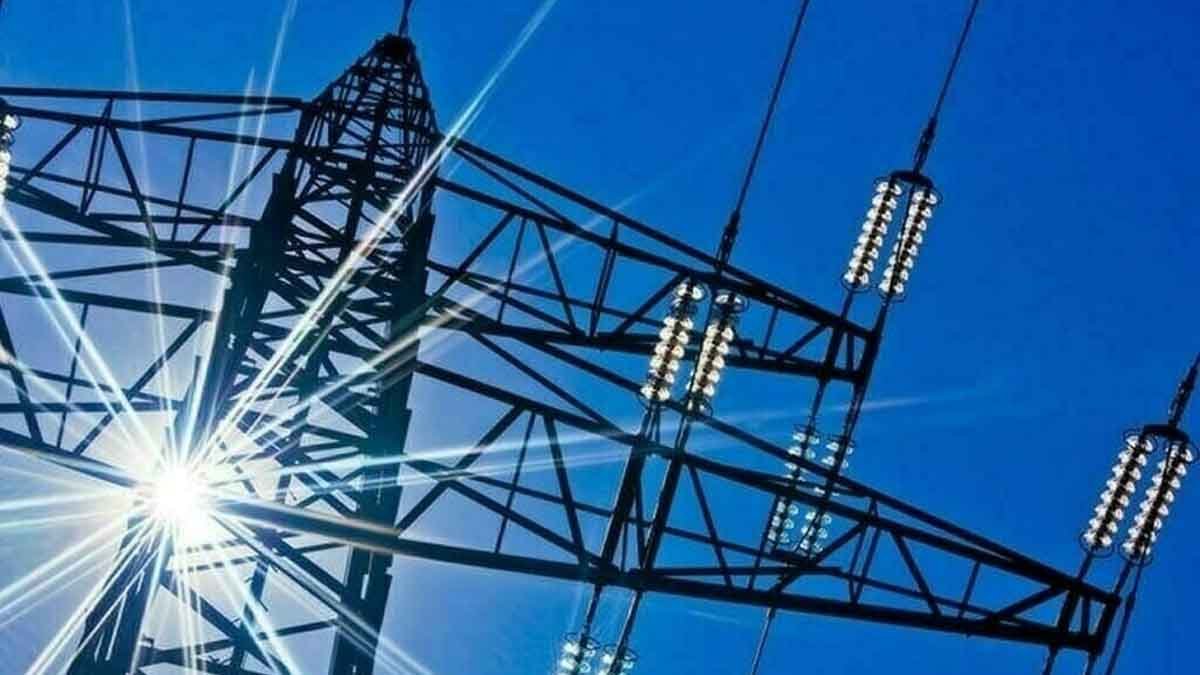
Pakistan’s government has secured substantial savings by renegotiating agreements with Independent Power Producers. These revisions aim to lower electricity costs and ease the burden on consumers and the national exchequer.
High capacity payments under old contracts long drove up tariffs. The reforms target this issue through terminations, tariff adjustments, and better terms.
Background on Pakistan’s IPP Challenge
Independent Power Producers generate a large share of Pakistan’s electricity under long-term power purchase agreements. Many older deals included take-or-pay clauses and high returns that contributed to circular debt and expensive bills. Capacity payments alone reached trillions of rupees annually, passing costs to consumers regardless of actual generation.
Progress in Renegotiations and Terminations
By early 2025, authorities completed negotiations with dozens of IPPs. The Power Division reported revisions and terminations involving 29 entities. Six inefficient IPP contracts were terminated outright. Revised tariff agreements covered plants under 1994 and 2002 policies plus bagasse-based facilities.
Efforts continued into 2026. A dedicated task force drove further changes, including extensions to wind and solar producers.
Read more: Rs 7 per unit relief planned through revised IPP agreements, taxes removal
Projected and Achieved Savings
Officials project massive long-term benefits. The Power Division estimated Rs 3.498 trillion in savings over remaining contract periods ranging from 3 to 20 years. The Pakistan Reforms Report 2026 highlights Rs 1.4 trillion in power sector savings from IPP renegotiations. Task force assessments point to potential totals near Rs 4,000 billion.
These figures come from lower capacity charges, waived excess profits, reduced late payment surcharges, and fixed returns on equity.
Tariff Relief for Consumers and Industry
Some benefits have reached end-users, though impacts vary. Reforms contributed to base tariff adjustments in 2025. In February 2026, the government notified industrial tariff cuts of up to Rs 4.58 per unit across categories. Small industries saw rates drop from Rs 30.80 to Rs 26.23 per unit, with similar reductions for medium and high-tension consumers.
Domestic consumers received more modest and indirect relief through overall sector stabilization. However, a debt surcharge of around Rs 3.23 per unit continues in some cases. Full pass-through of savings depends on NEPRA determinations and fuel cost adjustments.
Recent Renewable Energy Revisions
In March 2026, the Economic Coordination Committee approved revised agreements with 14 wind power producers and a major Punjab solar project. These deals address high tariffs from 2013 and 2018 policies, some previously reaching Rs 42 per unit. Expected lifetime savings from these revisions exceed Rs 38.9 billion for certain wind plants, with additional gains from the solar project and one small IPP termination.
The changes fix returns at prevailing exchange rates, rationalize indexation, and cap certain costs while ensuring timely payments.
Remaining Challenges
Despite progress, challenges persist. Circular debt, though reduced in FY2025, requires ongoing management. International resistance appeared during some talks. Fuel costs, transmission losses, and excess capacity still influence final bills. IMF discussions in early 2026 focused on balancing tariff reforms with inflation protection for lower-income households.
Outlook for Sustainable Power Costs
Renegotiated IPP agreements mark a key step toward affordable electricity. Combined with terminations of inefficient plants and renewable revisions, they improve sector efficiency and reduce future liabilities.
Further benefits will depend on swift implementation, better demand management, and competitive trading reforms. As Pakistan expands renewable capacity and improves governance, consumers can expect more stable and potentially lower tariffs in the coming years.
These reforms signal stronger fiscal discipline in the power sector. While not every rupee of projected savings translates immediately to bills, the trajectory supports relief for households and stronger competitiveness for industry.


Join the Conversation
Share your thoughts, questions, or feedback below.