
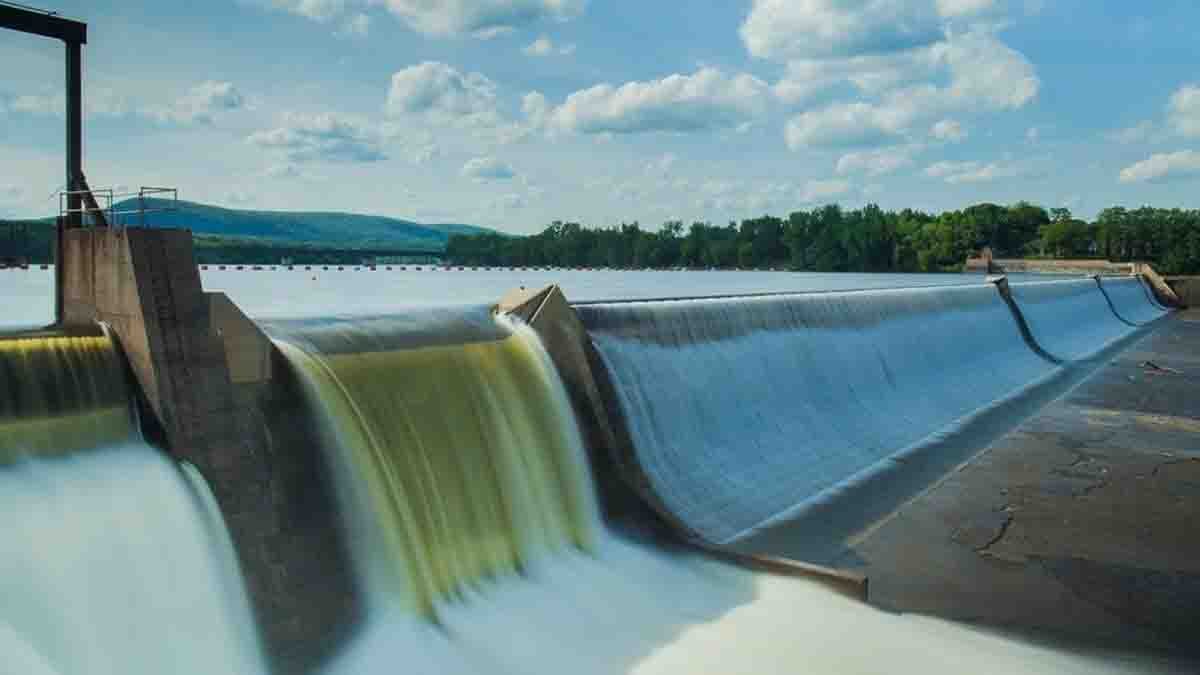
Khyber Pakhtunkhwa (KP) has emerged as Pakistan’s most active province in the construction of small dams. A total of 37 small and medium dams have been completed in the province — 15 run by the provincial government, 11 by WAPDA, and 10 in merged districts.
At the same time, construction is currently underway on 36 small dams across the province. These projects aim to store water, irrigate barren land, control floods, and recharge depleting groundwater reserves in one of Pakistan’s most water-stressed regions.
Why KP Is Building Small Dams
Pakistan faces an acute water crisis. Per capita water availability has fallen from 5,260 cubic meters in 1951 to just 1,000 cubic meters — dangerously close to the international threshold of absolute water scarcity.
Small dams are being built across KP as vulnerable communities look for cost-effective solutions to mitigate the impact of flooding, which has become more frequent due to climate change.
Small dams are becoming popular in developing countries due to their affordability. These dams can be constructed in two to three years while big dams mostly require 10 to 15 years.3 Pakistan may require an additional 76 MAF of water by 2050.
How Many Small Dams Has KP Completed?
The 37 completed dams collectively irrigate over 137,000 acres and store more than 341,000 acre-feet of water. Nationally, Pakistan currently has around 142 small and medium-sized dams, with 28 in KP.
KP Irrigation Minister Aqibullah Khan has assured that ongoing development projects will be completed on a priority basis. He highlighted the irrigation department’s swift progress, noting that eight dams have been completed in a short time.
List of Completed Small Dams
Completed small dam projects include Pezu Dam (Lakki Marwat), Khattak Bandhan (Kohat), Makh Banda (Karak), Manchura and Ichar (Mansehra), Sarozai (Hangu), Sanam (Lower Dir), Bada and Ulta (Swabi), among others.
Other completed dams include Loughar Dam (Karak), Khair Bara Dam (Haripur), Karak Dam (Karak), Jabba Khattak Dam (Nowshera), Darmalak Dam (Kohat), Ghole Banda Dam (Karak), Mardan Khel Dam (Karak), and Chashma Akora Khel (Karak).
Read more: Pakistan’s major reservoirs Tarbela, Mangla and Chashma reach dead level
Dams Under Construction
Twenty-four small dams in different districts of KP with a storage capacity of 75,008 acre-feet are being constructed with the financial assistance of the federal government. These are funded through the federal Public Sector Development Programme (PSDP).
The remaining dams are funded through the provincial Annual Development Programme (ADP).
The Jaroba Dam in Nowshera will bring 930 acres of barren land under cultivation and will supply 4.65 cusecs of water for irrigation, supported by a 6.1-kilometer-long canal built to serve nearby villages.
The minister emphasized that the construction of these dams will not only address water scarcity but also generate employment opportunities, contributing to the strengthening of the provincial economy.
Medium Dams in Design Stage
Beyond the small dams, KP is planning a new round of medium-sized reservoirs. Seven more medium dams — including Bara, Tank Zam, Sheikh Haider Zam, Chaudwan Zam, Daraban, and Kora Nullah — with a combined capacity of 520,884 acre-feet are in the design stage.
These medium dams will significantly boost KP’s total water storage capacity once completed. The Bara Dam alone is expected to irrigate 85,000 acres of agricultural land.
Budget and Funding
The KP Budget 2025–26 allocates Rs 45.5 billion for Irrigation, funding water management projects to enhance agricultural productivity and resilience in settled and merged districts.
The Annual Development Programme (ADP) soared to a historic Rs 195 billion, a 62% increase, making it the largest developmental portfolio in the province’s history.
Key allocations also include Rs 7 billion specifically for Irrigation and Drainage Rehabilitation.
The federal PSDP continues to fund the 24 small dams directly through the Ministry of Water Resources, while the provincial government funds additional projects through its own ADP.
Impact on Agriculture and Water Storage
Small dams serve multiple purposes across KP. Small dams play a vital role in mitigating flood disasters by storing excess rainfall and conserving water for dry periods. Their benefits extend beyond flood control to include food security, groundwater recharge, water conservation, and improved local environmental conditions.
A network of small dams, if strategically placed, can deliver significant flood protection with a fraction of the cost3 compared to large dams that take decades and billions of rupees to complete.
Some completed dams have also generated tourism activity. According to a farmer from village Margoz in Swabi district, Kondal dam has had a positive impact on the lives of locals. The dam has been turned into a tourism destination in Swabi, attracting watersports and paragliding enthusiasts.
Water Scarcity Crisis
The urgency behind KP’s dam-building drive is rooted in Pakistan’s worsening water crisis. Around one million tube wells now extract more than 55 million acre-feet (MAF) of water annually — 20% more than the supply from canals.
Western Sindh, Balochistan, and southern KP are particularly vulnerable, where underground aquifers are shrinking rapidly due to over-extraction without natural recharge.
The urgency of these projects has been further highlighted by the devastation of seasonal floods — worsened by climate change — that have caused hundreds of deaths, displaced thousands, destroyed infrastructure, and submerged acres of farmland.
What Comes Next
KP’s small dam program has grown from a modest initiative into one of Pakistan’s most active provincial water infrastructure drives. With 37 dams completed, 36 under construction, and 7 medium dams in the design stage, the province is building a layered water storage network to fight drought, flooding, and agricultural decline.
The Rs 45.5 billion irrigation budget for 2025–26 — combined with federal PSDP funding — positions KP to accelerate progress further. For the millions of farmers across districts like Karak, Nowshera, Swabi, and Mansehra, these small reservoirs represent the difference between barren land and productive agriculture.


Join the Conversation
Share your thoughts, questions, or feedback below.