
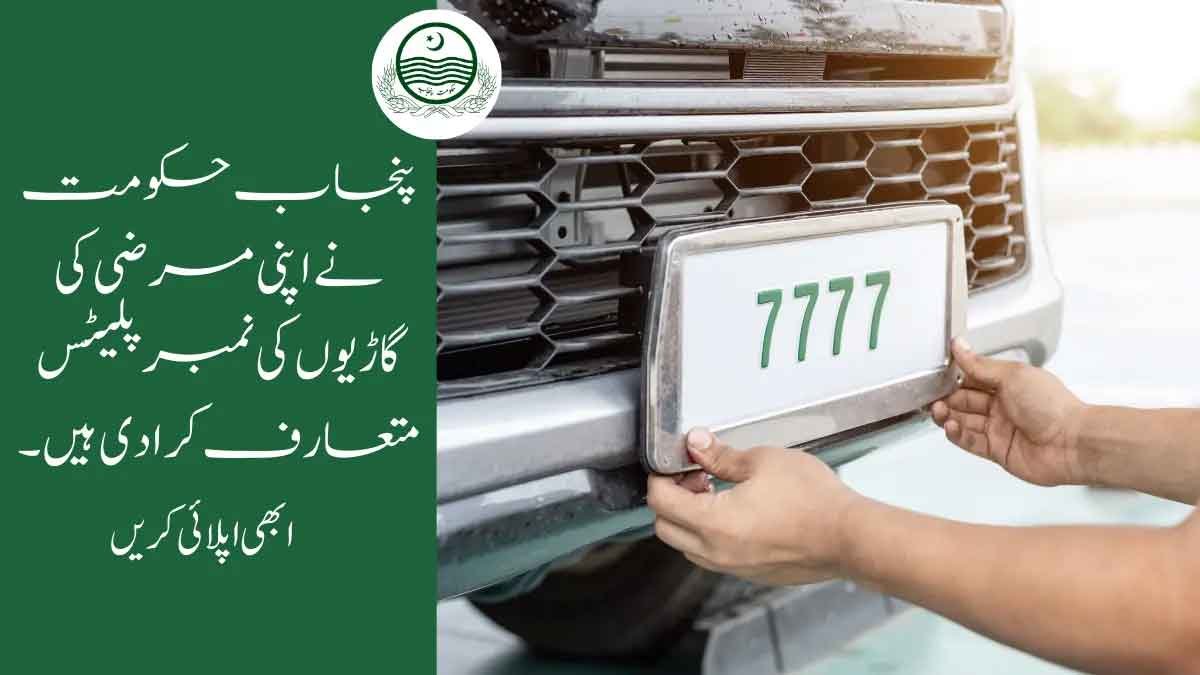
Punjab has expanded its “fancy” or vanity number plate program to make the process digital and trackable. Vehicle owners can now compete for attractive registration marks through an official e-auction system instead of relying on manual requests.
This guide explains what the scheme offers, how to apply, and what rules matter most.
What Punjab’s fancy number plates scheme offers
Punjab’s Excise, Taxation & Narcotics Control Department allows citizens and organizations to secure personalized or premium vehicle registration marks. The aim is simple: give buyers a legal route to own a high-demand number or a customized plate format, while keeping the allotment process transparent.
Unlike a normal registration number issued in sequence, these marks get allotted through an online process designed to publish results and reduce discretion.
Categories and prices (Gold, Platinum, Corporate)
The vanity plate scheme in Punjab has been described in three tiers:
- Platinum category: Up to 8 characters, including names or meaningful words. The reported base value is Rs 5 million.
- Gold category: A mix of 3 letters and 3 numbers, with a reported cost of Rs 0.5 million.
- Corporate category: Designed for organizations that want their name on vehicle plates. The reported entry price is Rs 10 million, plus additional charges for attractive registration marks.
In practice, many buyers also pursue “attractive registration marks” (popular numbers like single digits or repeating patterns) through Punjab Excise’s separate e-auction policy framework.
How to apply online (portal/app)
Punjab Excise’s official approach centers on a web and mobile application-based e-auction system. The province also promotes this as a PITB-supported service, with public posts directing users to the portal and app.
Registration and verification
To participate, applicants must register as bidders and provide identifying details such as CNIC/NTN and the vehicle chassis number for the vehicle the number will be assigned to. Punjab Excise policy also limits participation so that, against one registered identity, only one registration mark of choice can be contested in a given attempt.
Selecting a number and paying the participation fee
Punjab Excise policy states that if a desired registration mark shows as available in a series, the applicant can select it and deposit a Rs 100 participation fee (non‑refundable) through ePay.
The system then manages bidder registration, approvals, and the auction flow online.
Read more: Punjab launches green number plates for electric vehicles
How the e-auction works (key rules)
Punjab Excise’s published e-auction policy lays out key rules drivers should know:
- Reserve prices: Attractive marks carry minimum reserve prices, and the number will not be allotted below that reserve.
- Registration window: Bidder registration remains open for 3 days, including holidays, during set hours.
- Auction duration: Online bidding begins the day after the registration window closes and runs for roughly 36 hours (ending before 9:00 p.m. PST on the second day).
- Bid increments: Bids move in fixed steps (policy lists increments of Rs 500 for four-wheelers and Rs 200 for other vehicles).
- Result publication: Results are system-generated and published publicly on official channels.
These mechanics matter because they define the real “how to apply” experience: it is not a single form submission. It is a timed auction process with clear deadlines.
What happens after you win
Winning a number is not the last step. Punjab Excise policy requires:
- Payment deadline: Successful bidders must deposit the total winning amount within 3 working days from the result declaration. If the winner does not pay, the deposited amount can be forfeited and the registration mark may be canceled.
- Vehicle registration deadline: Successful applicants must get the vehicle registered within 15 days of results (with limited discretion for condoning delays).
Also note a key compliance point: a driver cannot lawfully display the allotted registration mark only because they paid auction money. They may display it only after proper vehicle registration.
2026 update on “official” number plates
In February 2026, The Express Tribune reported Punjab Excise abolished the practice of checking for “official” government-issued number plates during road inspections. It said the department is no longer manufacturing official plates at registration, has a large pending backlog, and now permits vehicle owners to get plates produced from the open market.
The important condition remains: the plate must match the government-approved design and be affixed in the prescribed manner. Traffic police were directed to stop issuing challans solely for lacking an “original” official plate.
Ownership Rights and Transferability
One of the most significant updates to the scheme is the permanent ownership of the vanity number. Unlike standard plates that stay with the vehicle, a vanity plate belongs to the individual or company.
- Vehicle Transfer: If you sell your car, you can retain the vanity plate and transfer it to your new vehicle.
- Resale Value: Because these plates are unique assets, they can be resold or transferred to other individuals through a legal process at the Excise Department, often at a significant profit.
- Universal Format: All vanity plates follow the “Universal” format, meaning they are valid across all districts of Punjab without city-specific prefixes.
Legal Compliance
It is important to note that only plates issued by the Excise Department are legal. Using privately manufactured “fancy” plates that do not conform to the government’s security features can lead to heavy fines and vehicle impoundment. Official vanity plates come with integrated security features, including laser-serial numbers and specialized reflective coatings to ensure they are readable by Safe City cameras.



Join the Conversation
Share your thoughts, questions, or feedback below.