
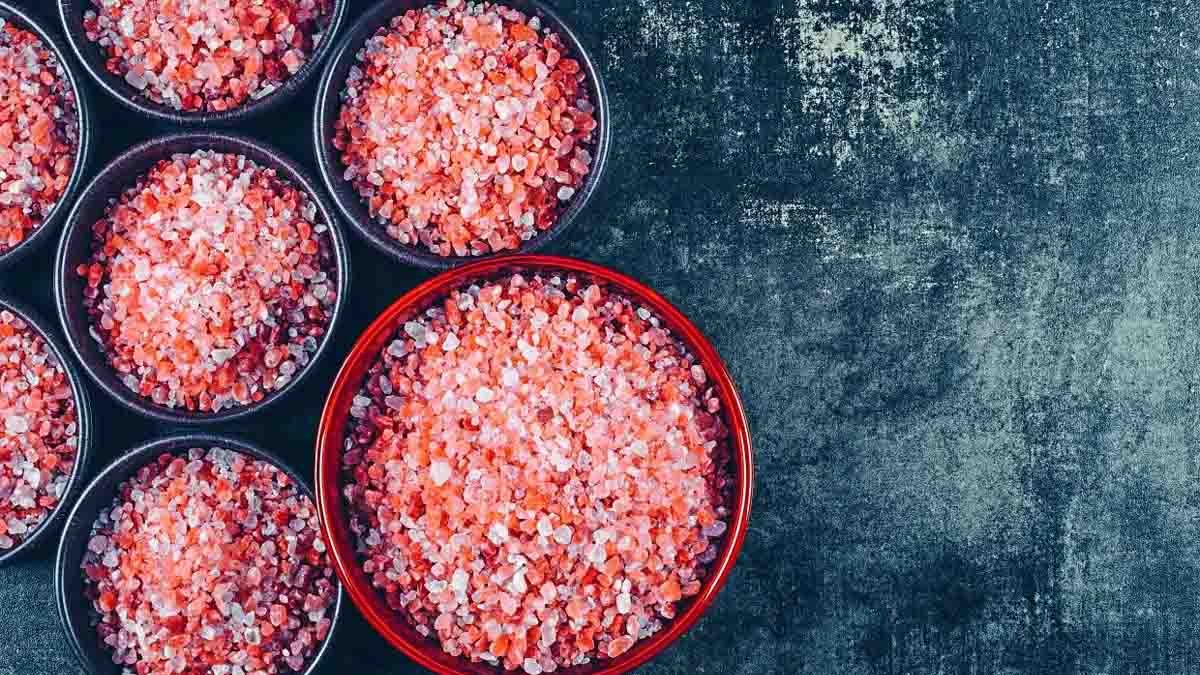
Pakistan’s Himalayan pink salt continues to gain traction in the Chinese market, with exports delivering steady growth throughout 2025. Official data from China’s General Administration of Customs shows Pakistan shipped salt worth $7.18 million to China in 2025, marking a 20% increase from $5.98 million in 2024.
This performance builds on earlier momentum, including a 40% surge in the first quarter and 33% growth in the first half of the year. By January to October, shipments reached $6.04 million with a volume of nearly 40 million kilograms.
The bulk of exports comes from the world-renowned Khewra Salt Mine in Punjab, the second-largest salt mine globally and primary source of authentic Himalayan pink salt. Rich in minerals, this product stands out for both industrial applications and premium consumer uses.
Robust Growth Throughout 2025
Full-year results confirm sustained demand. Hebei Province led imports with 37.8 million kilograms valued at $3.81 million. Other key destinations included Zhejiang, Anhui, Fujian, Guangdong, and Inner Mongolia Autonomous Region.
Exports cover multiple categories. Industrial and other salt (HS 25010019) dominate under ordinary trade, while edible salt (HS 25010011) moves through bonded channels to provinces like Anhui, Guangdong, and Heilongjiang.
These figures reflect Pakistan’s ability to meet diverse Chinese needs, from large-scale manufacturing to specialty food and wellness products.
Why Himalayan Pink Salt Appeals to Chinese Buyers
Chinese consumers and industries value Himalayan pink salt for its distinctive color and mineral profile, which includes trace elements like iron, magnesium, and potassium. Marketed for gourmet cooking, health benefits, and even decorative items, it has developed a following beyond basic industrial salt.
Industry observers note growing interest in its purity and branding. This has helped Pakistan differentiate its offerings in a competitive market, even as overall volumes favor industrial-grade shipments.
Read more: Pakistan’s sesame seed exports to China jumped 87% to $68.56 million in three quarters of 2025
Key Drivers of Continued Export Growth
Several factors support the upward trend. Pakistani exporters have improved quality control, logistics, and compliance with Chinese standards. Competitive pricing, abundant reserves at Khewra, and more efficient customs processes have also played key roles.
Expanding e-commerce channels and better supply-chain linkages have made sourcing easier for Chinese buyers. Trade facilitation under the China-Pakistan Free Trade Agreement (CPFTA) and infrastructure improvements linked to the China-Pakistan Economic Corridor (CPEC) provide additional tailwinds.
Provincial Demand and Market Expansion in China
Demand now spreads across multiple regions. While Hebei dominates industrial volumes, coastal and inland provinces show interest in edible and specialty variants. This diversification reduces reliance on any single market segment and signals broader acceptance of Pakistani salt products.
Deeper Integration with Pakistan-China Trade Relations
Salt trade forms part of wider bilateral economic cooperation. Pakistan’s mineral exports complement China’s needs in chemicals, pharmaceuticals, food processing, and wellness sectors. The growth demonstrates how raw and semi-processed materials contribute to the overall trade balance under CPEC.
Outlook for Future Expansion
Industry sources expect further growth through value-added products such as refined edible salt, salt lamps, blocks, and wellness items. Deeper engagement with Chinese food, chemical, and industrial users could open new opportunities.
Challenges remain, including global competition and the need for consistent quality and marketing. Yet Pakistan’s unique natural resource and improving trade infrastructure position it well for long-term gains in the Chinese market.
As demand for premium and mineral-rich salts rises, Himalayan pink salt from Pakistan is poised to strengthen its footprint in China, contributing to export diversification and economic ties between the two countries.


Join the Conversation
Share your thoughts, questions, or feedback below.