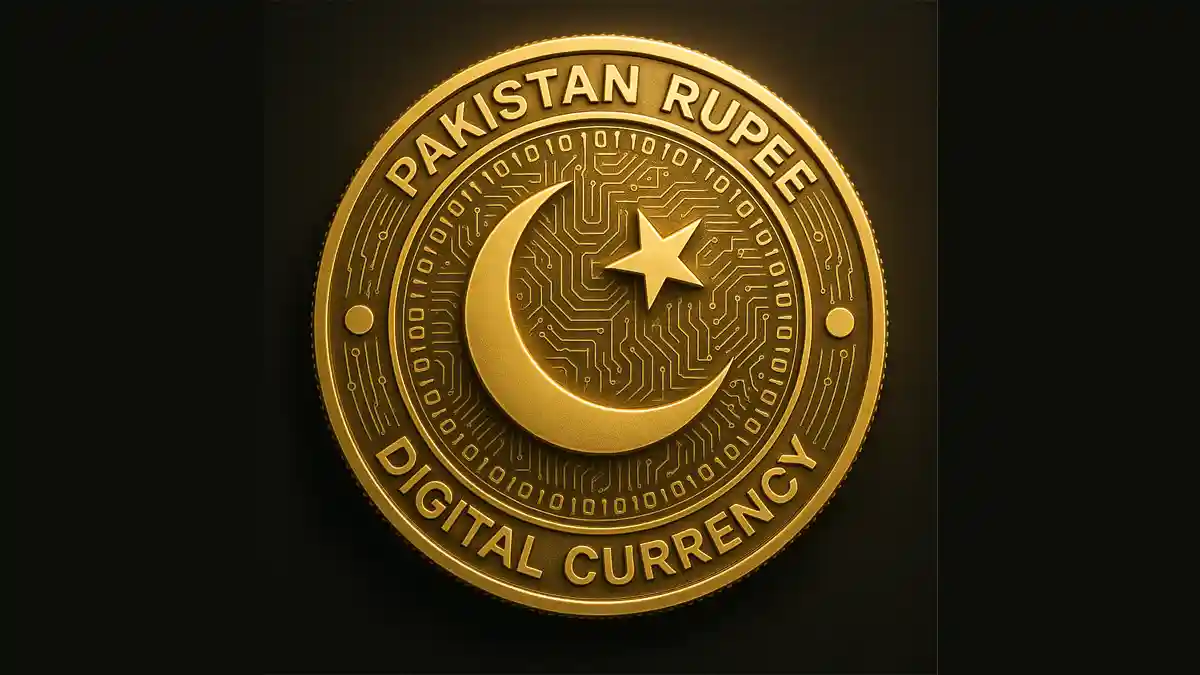
Imagine paying for groceries or sending money to family with a few taps on your phone—no physical cash, no hassle. That vision is assumed to be a step closer to reality as the State Bank of Pakistan (SBP) has declared plans to launch a pilot program for its own digital currency. It is marking a big move toward modernizing the country’s financial system.
Speaking at the Reuters NEXT Asia summit in Singapore on Wednesday, SBP Governor Jameel Ahmad ratified that the central bank is finalising legislation to regulate virtual assets and is preparing to test a central bank digital currency (CBDC) in a controlled pilot phase.
“We’re building our capacity on the central bank digital currency and hope to roll out a pilot soon,” Ahmad said during a panel discussion alongside Sri Lanka’s central bank governor, P. Nandalal Weerasinghe. The two leaders discussed the many monetary policy challenges facing South Asia, from inflation pressures to currency volatility.
Not just Pakistan, other countries also issuing digital currencies
Pakistan isn’t alone in this push. Central banks around the world—from China and India to Nigeria and the Gulf states—are experimenting with or even issuing digital currencies. Their goal? To keep pace with rapidly changing technology, improve payment systems, increase transparency, and counter the rise of private cryptocurrencies that often evade regulatory oversight.
Read more: Virtual Assets Bill tabled in Senate to legalize cryptocurrency and launch digital rupee
Stakes are high for Pakistan, posing many positive impacts
For Pakistan, the stakes are high. A digital rupee could help in making payments faster, cheaper, and safer, particularly in a country where many masses remain unbanked or underbanked. It could also help improve the efficiency of government payments, curb corruption by making transactions traceable, and enable better monitoring of illicit financial flows.
Developing the technical backbone for the pilot
Ahmad said the SBP is working closely with technology partners to develop the technical backbone for the pilot, while a new law is being created to lay down clear rules for licensing and regulating the broader virtual assets sector. This includes not just central bank-issued currency but also private digital assets, exchanges, and payment systems.
Why Does It Matter?
Pakistan’s move toward a CBDC comes as digital payments grow rapidly, both globally and locally. Mobile wallets, online banking, and QR code payments are turning to be the everyday tools, especially among younger Pakistanis.
A state-backed digital currency is expected to add credibility, security, and stability to this evolution.
By taking this step, Pakistan is leaving no stone unturned to give a modern touch to
- Financial system
- Expand financial inclusion
- Strengthen its regulatory framework for the digital age
For the masses, this could mean easier payments, more trust in digital transactions, and greater participation in the formal economy, which is considered to be a potential game changer for businesses and individuals alike.