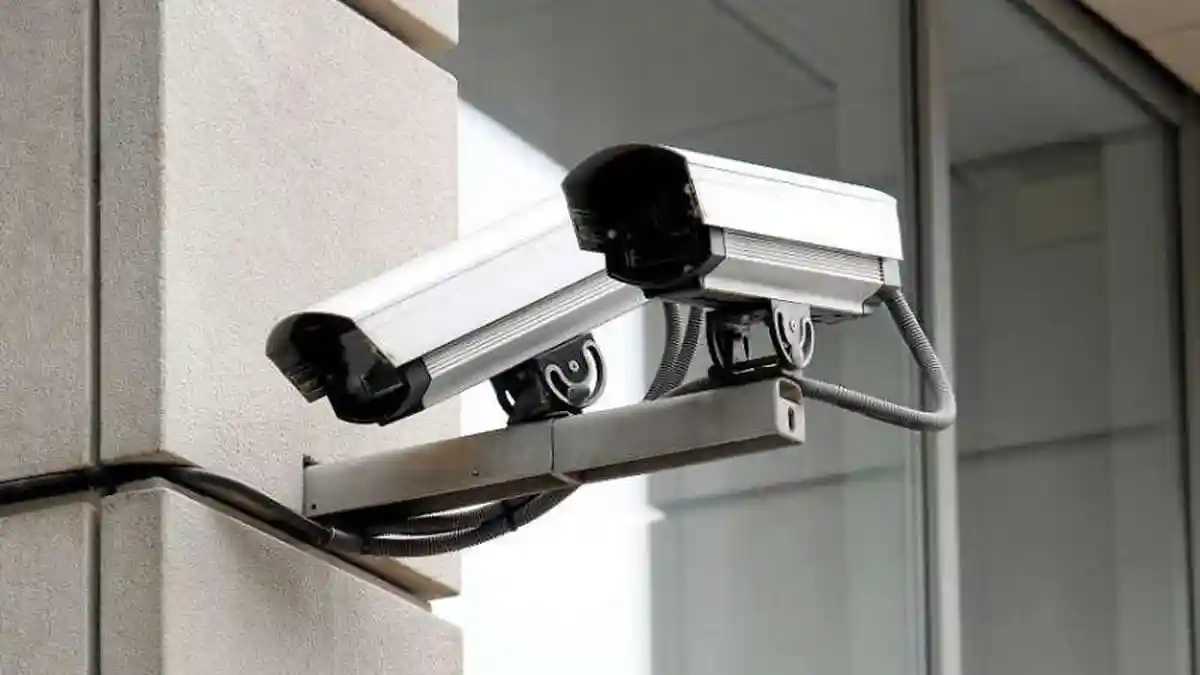
In a major step to strengthen public security and modernize urban policing, Islamabad is set to expand its Safe City project by installing 3,100 additional CCTV cameras across the capital.
The new cameras will be strategically placed at some of the major roads, intersections, and all major entry and exit points, significantly enhancing the city’s surveillance capabilities.
With this expansion, the total number of active Safe City cameras in Islamabad is expected to surpass 5,000, all connected to a centralized Command and Control Centre operated by law enforcement and emergency response teams.
Real time monitoring, Safer Streets
Each camera in the upgraded system is enriched with various features, and high-tech features such as
- Facial recognition technology
- Automatic number plate recognition (ANPR)
- Real-time monitoring features.
As per the Islamabad Police officials, the expanded network will assist in deterring
- Criminal activity
- Track suspicious individuals
- Enable faster emergency responses.
“Criminals are getting smarter, so our response must be smarter too,” said a senior police officer overseeing the project. “These cameras don’t just record — they analyze, alert, and help us respond within minutes.”
Read more: Khyber Pakhtunkhwa launches safe city project in high-risk districts
A Sense of Security for Citizens
This move brings a renewed sense of safety to most of the residents, especially for those frequently commuting via high-traffic zones.
The cameras will also assist in minimizing incidents of street crimes, traffic violations and harassment, issues that have been rising in some sectors of the city.
Tech-Powered Governance
The Safe City initiative is considered to be the integral component of the government’s broader effort to use technology for urban governance, traffic management, and crime prevention. The new cameras will integrate with AI-powered software capable of identifying stolen vehicles, wanted individuals, and even missing persons.
“This is more than a surveillance project — it’s about making Islamabad a safer, smarter and more responsive city,” said an ICT administration spokesperson.
Challenges and the Road Ahead
Some of the professionals kept on emphasizing the need for data privacy protocols and transparent oversight to ensure that surveillance does not infringe on citizens’ rights.
Nevertheless, for families, daily commuters, and business owners alike, the expansion is promising a visible layer of protection in a rapidly growing metropolis. As the capital city becomes more connected and watched, officials keep on hoping that the sense of safety will extend beyond the screens — into everyday life.