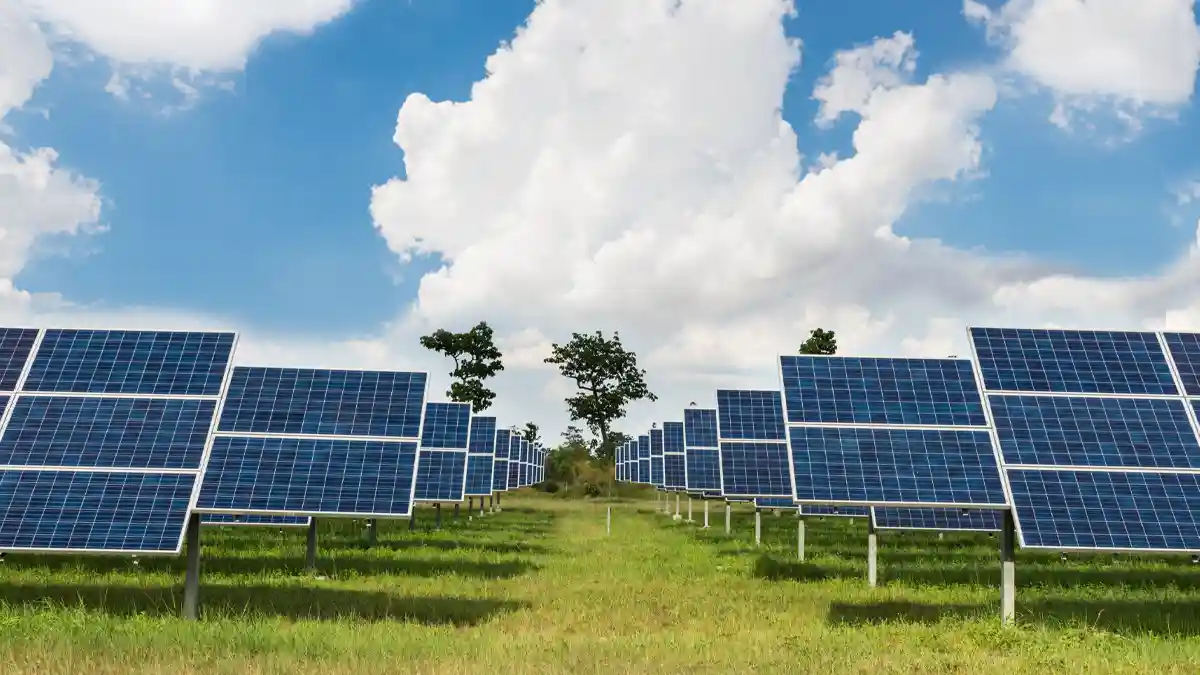
The federal government has decided to minimize the proposed sales tax on imported solar panels from 18% to 10%. The decision comes after pressure from coalition lawmakers and ongoing negotiations with the International Monetary Fund (IMF), under whose loan program Pakistan must comply with certain fiscal conditions.
Coalition Push for Solar Relief
Coalition partners within the government had been strongly advocating for a complete exemption on solar panel imports. Their main argument was all about:
• Making clean and renewable energy more accessible to the common masses.
• Minimizing over-reliance on fossil fuels and addressing load-shedding which is the major issue country is currently facing in the summer season due to excessive heat.
• Supporting green initiatives and encouraging affordable solar adoption for households and businesses.
For many in Pakistan, where electricity bills are skyrocketing and power shortages are common, solar energy offers a lifeline. Lawmakers argued that increasing taxes on this essential technology would discourage adoption and hinder progress.
Read more: Solar panel prices increase massively after budget 2025 [new per watt rates]
IMF Conditions Restrict Full Exemption
Despite the valid concerns raised by lawmakers, the government faced strict limitations under its IMF agreement. The key IMF requirements include:
• A minimum 10% sales tax on all items that were previously zero-rated.
• An increase to 18% for goods already taxed above 5%.
Because solar panels were previously zero-rated, the government was obligated for the enforcement of at least a 10 percent tax, making a complete exemption highly impossible without breaching IMF terms.
Official Announcement by Ishaq Dar
Deputy Prime Minister Ishaq Dar addressed the National Assembly and confirmed the tax reduction:
“We understand the critical need for clean energy. After thorough discussions, we’ve decided to bring down the proposed 18% sales tax on solar panels to 10% in the upcoming budget.”
This statement offered some relief to the solar industry, which had feared a severe slowdown due to the proposed 18% rate.
How will this step impact the Consumers?
Indeed, the tax has been reduced, but the revised 10 percent tax is still a burden compared to the previous zero-tax policy, it has appeared as a lesser evil under the current economic constraints. Here’s how it affects stakeholders:
• Better than 18%: Consumers and importers won’t face the harsh increase originally proposed.
• Not ideal: The 10% tax will still increase costs and may slow adoption.
• Middle-class impact: Average households looking to install solar panels will bear the brunt of this added expense.
• Green energy goals at risk: Environmental advocates fear this could delay Pakistan’s shift to sustainable energy.
Looking Ahead
Stakeholders in the solar industry are calling for long-term policy reforms. Many continue to urge the government to negotiate further with the International Monetary Fund organization or find ways to subsidize solar energy adoption, especially for low-income households.
While the 10% sales tax may appear like a compromise, for many Pakistanis dreaming of clean, affordable energy—it’s still a step back from where the country needs to be.