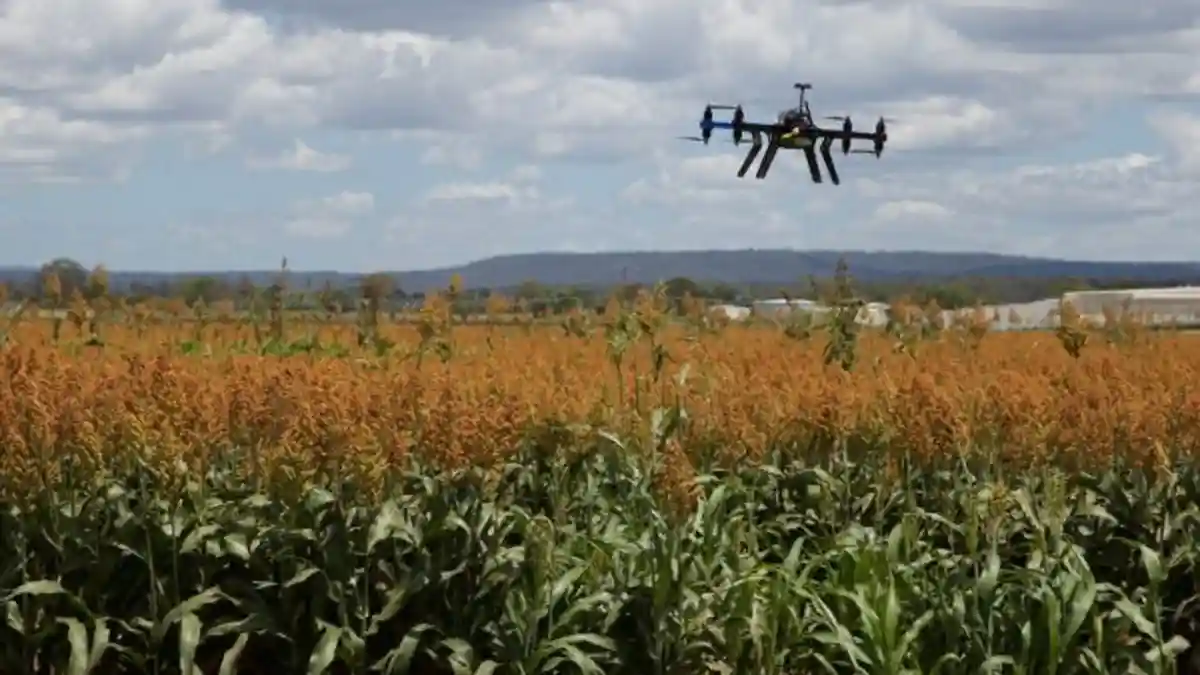
Pakistan’s fields might soon see a tech revolution. Prime Minister Shehbaz Sharif wants to transform the way the country farms—by bringing in artificial intelligence and tapping the know-how of global experts.
At a meeting in Islamabad, the Prime Minister spoke plainly about the crisis: farming is the backbone of Pakistan’s economy, employing over a third of the workforce and contributing nearly a quarter of the GDP. Yet it’s stuck in old ways, with farmers battling low yields, poor-quality seeds, and unpredictable weather.
“Farmers are the lifeblood of our country,” Sharif told officials. “We owe them better tools and better knowledge.”
AI-powered system is a game changer:
His plan is goal-oriented. He wants AI-powered systems to help farmers make smarter decisions. Think satellite images that is telling them how their crops are performing, weather predictions that warn of storms, and precision irrigation that saves precious water. For many farmers who still depends on guesswork, such tools could prove to be a game-changer.
Farmers often struggle to know when pests will strike, or how healthy their soil really is. Sharif’s vision is to fix that—by giving them real-time, practical data.
The hope is that this will mean fewer losses, better harvests, and more money in farmers’ pockets.
Read more: Balochistan mulls using AI to monitor road conditions
Easier loans for the farmers to buy modern machines
But it’s not just about fancy tech. The Prime Minister also called for the easier loans so small farmers can be able to buy modern machinery, and for research centers to partner with the private sector to create high-quality, climate-resistant seeds.
Plan for new cotton growing zones
He was showing immense concerns regarding the regions hit hard by climate change, like Sindh and Balochistan, and desiring new cotton-growing zones mapped out to match changing rainfall and temperature patterns.
Bio-fuel production from crops:
Sharif also suggested looking into biofuel production from crops—turning agriculture into a source of clean energy and helping the country move away from costly imported fuel.
Throughout the meeting, he kept on urging officials to keep farmers at the center of all plans. “We can’t plan for them without initiating conversation to them,” he claimed. He also stressed working closely with provincial governments so the reforms actually reach the ground.
What It Could Mean for Pakistan:
• Better harvests and more income for farmers
• Smarter water use in drought-prone areas
• Modern, resilient seeds to fight climate change
• Affordable modern equipment for small farmers
• Cleaner energy from biofuels
• Inclusion of farmers in decision-making
If it all comes together, Pakistan’s fields could turn to be more productive, sustainable, and highly resilient than ever before.