
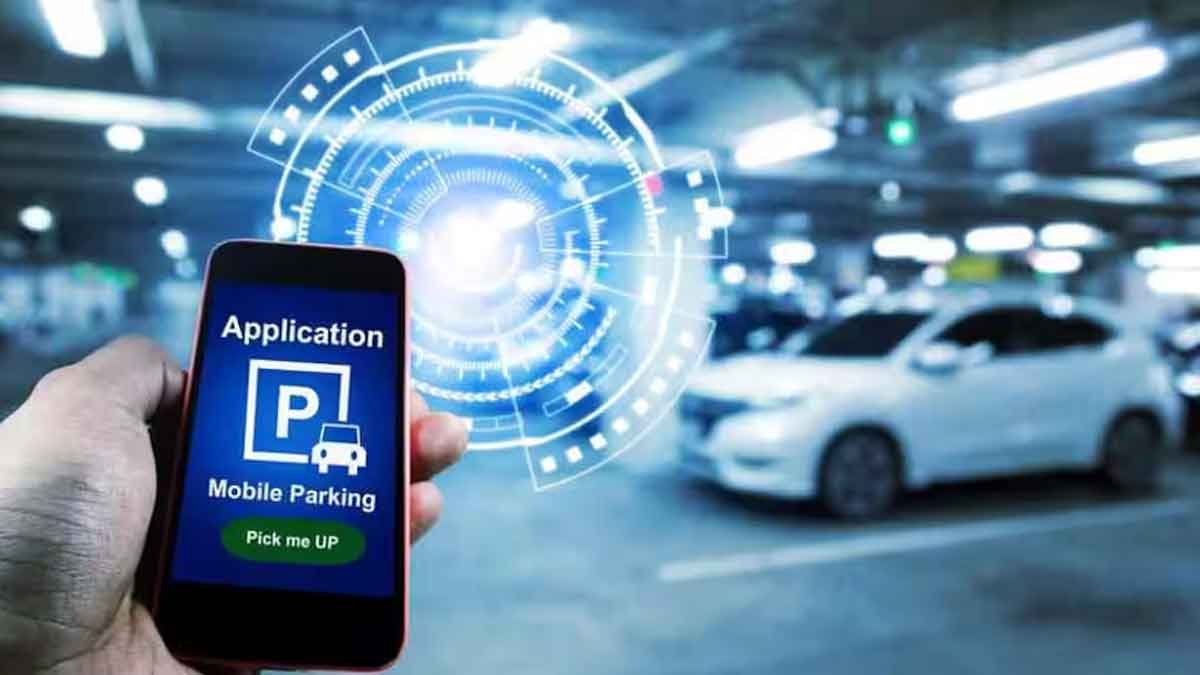
Islamabad is officially transitioning into a smart city with the launch of its first-ever digital car parking system. Spearheaded by the Capital Development Authority (CDA), this initiative aims to eliminate the chaotic parking culture that has plagued the federal capital’s commercial centers for decades. By replacing manual ticket collectors with AI-driven technology, the CDA is prioritizing transparency, efficiency, and citizen convenience.
The move marks a significant milestone in Islamabad’s digital transformation, aligning the city’s infrastructure with international standards found in global hubs like Dubai or London.
The Shift from Manual to Smart Parking
For years, parking in Islamabad’s “Markaz” areas was managed through a manual system that was prone to revenue leakage and overcharging. Citizens often faced “mafias” that charged more than the prescribed government rates.
The new digital system removes the human element from the initial transaction. By using a public-private partnership model, the CDA has ensured that the technology remains updated and the infrastructure is maintained by specialized technical teams. This shift not only increases government revenue but also significantly reduces the time drivers spend idling while looking for a parking spot.
Pilot Project: G-9 Markaz (Karachi Company)
In September 2024, the CDA inaugurated the pilot phase of the smart parking system at G-9 Markaz, popularly known as Karachi Company. This area was chosen due to its high footfall and notorious traffic congestion.
The pilot site serves as a blueprint for the rest of the city. It features designated entry and exit points equipped with automated barriers. Since its launch, the G-9 Markaz has seen a measurable improvement in traffic flow, as vehicles are no longer allowed to park haphazardly on the main boulevards.
Read more: Construction of three new parking plazas in Rawalpindi still awaits govt approval
Key Features of the Digital Parking System
The Islamabad smart parking system utilizes a sophisticated hardware and software stack to manage thousands of vehicles daily.
Automated Entry and ANPR Technology
Upon entering a digital parking zone, high-definition Automatic Number Plate Recognition (ANPR) cameras capture the vehicle’s details. The system logs the exact time of entry and issues a digital receipt. This eliminates the need for paper tickets and ensures that the billing is accurate to the minute.
Real-time Availability via Mobile App
One of the most praised features is the integration with the “My Islamabad” app. Users can now check the number of vacant parking slots in a specific Markaz before they even leave their homes. This “Live Occupancy” data helps distribute the traffic load evenly across different blocks of the commercial zones.
Digital Payment Channels: Cashless Islamabad
To support the national drive toward a cashless economy, the CDA has integrated multiple digital payment options. Users are no longer required to carry exact change for parking fees.
Current payment channels include:
- M-Tag Integration: Regular commuters can have their parking fees deducted directly from their M-Tag accounts.
- QR Codes: Instant payments via EasyPaisa, JazzCash, or any banking app.
- Credit/Debit Cards: Point-of-Sale (POS) terminals are available at exit points for card transactions.
- Digital Wallets: Automated kiosks that allow for self-service payment.
Phased Expansion: Where is Next?
The CDA has outlined an aggressive expansion roadmap for 2025. Following the success of the G-9 pilot, the authority is currently installing hardware in the following high-priority areas:
- Blue Area: The city’s main business district will receive multi-story smart parking solutions.
- F-7 and F-10 Markaz: These high-end retail hubs will transition to full automation by early 2025.
- G-10 and G-11 Markaz: Planning for these residential-commercial hybrids is already in the final bidding stage.
By the end of 2025, the CDA aims to have at least 15 major commercial sites operating under the digital parking framework.
Economic and Environmental Impact
Beyond mere convenience, the digital parking system provides long-term benefits for the capital.
- Revenue Growth: The CDA expects a 200% increase in parking revenue due to the elimination of corruption and manual errors.
- Reduced Emissions: By reducing the time spent cruising for parking, the system lowers carbon emissions in congested urban pockets.
- Data-Driven Planning: The system provides the CDA with heatmaps of parking demand, allowing for better urban planning and the construction of future parking plazas in the right locations.
How to Use the New System
Using the digital parking system is straightforward:
- Enter: Drive to the automated barrier; the camera will scan your plate and the barrier will lift.
- Find Space: Follow the electronic signage to the nearest available slot.
- Pay: Before leaving, scan the QR code on the signage or pay at the exit booth using your mobile app or card.
- Exit: Once the payment is verified, the exit barrier will open automatically.
The Islamabad Digital Parking System is a testament to how technology can solve age-old urban problems. As the system expands, it will undoubtedly make the capital a more livable and organized city for all its residents.



Join the Conversation
Share your thoughts, questions, or feedback below.