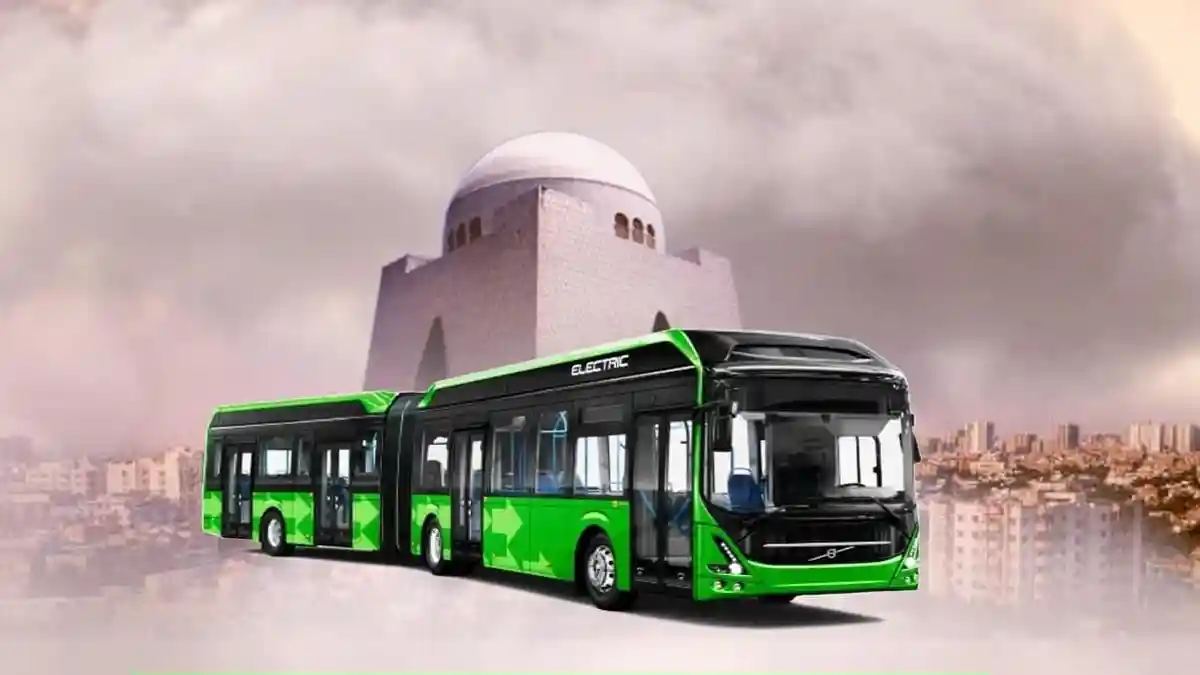
Work has started on the 1.9 km extension of the BRT Green Line, ending at Jama Coth Market. The project is expected to be completed by October 30, 2026, at a cost of Rs 5.5 billion, already allocated by the prime minister.
Karachi is finally seeing light at the end of the tunnel — quite literally — as Mayor Murtaza Wahab has announced that the long-awaited Green Line Common Corridor is now in its final stages and is scheduled to open on October 31, 2026.
Residents and shopkeepers along the route have endured dust, diversions, noise, and long traffic jams as construction dragged on for few months. Daily commutes that once took 20–30 minutes often stretched to over an hour, leaving people frustrated and questioning whether the project was worth the trouble.
Acknowledging this, Mayor Wahab admitted that citizens encountered serious hardship during the construction phase but stressed that the inconvenience is temporary, while the benefits will be long term.
Main causes behind confusion regarding Green Line Common Corridor
He also unveiled that one of the main causes behind the earlier tensions and confusion was a lack of coordination. The Karachi Metropolitan Corporation (KMC) was not properly taken into confidence when the project first began, which led to administrative friction and delays.
Read more: Second phase of Karachi Green Line BRT begins construction in mid-August
However, Wahab also stated that coordination between city and federal authorities has now improved significantly, and both sides are working on the same page to complete the corridor within the announced timeline.
As per the mayor, the federal government has now finalized the official opening date, with October 31, 2026, set as the day when the Green Line Common Corridor will finally become operational for the public. Once opened, the route is expected to dramatically ease travel for thousands of daily commuters, especially office-goers, students, and workers who travel across central Karachi.
Wahab also confirmed that pending issues related to the Red Line BRT project have now been addressed and resolved. He said that formal work on the Red Line is going to start off in the coming days, which means Karachi’s wider Bus Rapid Transit (BRT) network is slowly moving from promise to reality.
How the Green Line Common Corridor Will Benefit Karachi
Once operational, the Green Line Common Corridor is expected to bring several positive changes:
• Shorter travel times: Dedicated BRT lanes and better traffic management will help reduce journey times for commuters traveling along the corridor.
• Cheaper, more reliable transport: A modern, air-conditioned bus system offers a safer and more predictable alternative to overcrowded minibuses and costly private transport.
• Less congestion on main roads: As more people shift from cars and bikes to the Green Line, pressure on key arteries is likely to decrease, reducing traffic jams and improving overall flow.
• Environmental benefits associated with this project: Fewer vehicles on the road mean lower emissions, helping improve air quality in a city that struggles with smog and pollution.
• Better connectivity with future lines: With the Red Line and other BRT corridors in the pipeline, the Green Line will eventually become an integral component of a larger integrated public transport network, making it easier to move across Karachi without relying on private vehicles.
Read more: 500 electric buses planned for Karachi, Hyderabad under People’s Green Transport Project
For many Karachiites, the Green Line Common Corridor represents more than just a new bus route — it is a test of whether the city can deliver modern, people-centered infrastructure.
If implemented properly, it could become an exemplary model for future projects that prioritize commuters’ time, comfort, and dignity.
Additional green line stations
One of the most notable changes is along the 1.8-kilometre stretch from Numaish Chowrangi to Municipal Park. Instead of being just a connector, this section will now feature three additional Green Line stations, making the route more accessible for thousands of daily commuters who live, work, or shop along this busy corridor.
The project had been halted by KMC in September after the city administration argued that PIDCL had not obtained the necessary no-objection certificate (NOC) before starting work. KMC also questioned the federal company’s role in Karachi’s local development, insisting that projects within the city must fall under municipal jurisdiction and follow due process.
Read more: Karachi’s Yellow Line BRT set for launch as Sindh govt partners with World Bank
With those governance concerns now addressed, Mayor Wahab and Barrister Raja Khaliq uz Zaman Ansari are anticipated to formally announce the resumption of construction next week. The revised plan also includes the introduction of a Traffic Signal Priority (TSP) system which is truly a smart feature that will permit Green Line buses to move more smoothly without facing any hurdle through intersections by adjusting signal timings in their favour, cutting delays and improving travel times.
Currently, the first phase of the Green Line serves around 80,000 passengers every day. Officials keep on believing that once the Numaish–Municipal Park extension opens with its three new stations and improved operations, ridership rate will rise significantly.
For many Karachi residents who are facing various issues like jumping in the overcrowded buses and unpredictable traffic, the revived Green Line extension offers a rare bit of good news: faster, more reliable, and more dignified public transport you are going to receive on one of the Karachi’s busiest routes.